Why Big Family Planners Are Taking Over Our Walls
If you’ve seen a giant, colourful calendar plastered with scribbles in a friend’s kitchen, you’re not alone. Big family planners are popping up everywhere, helping households manage work, kids’ activities, birthdays, and more.
But what’s behind this trend, and is it really saving us? Let’s dive in, with some ideas to spark inspiration.
Why the Planner Boom?
Since the pandemic, life’s gotten chaotic. Hybrid work, school runs, and endless commitments have made scheduling a nightmare. Big wall planners, often in kitchens or hallways, are the solution for many.
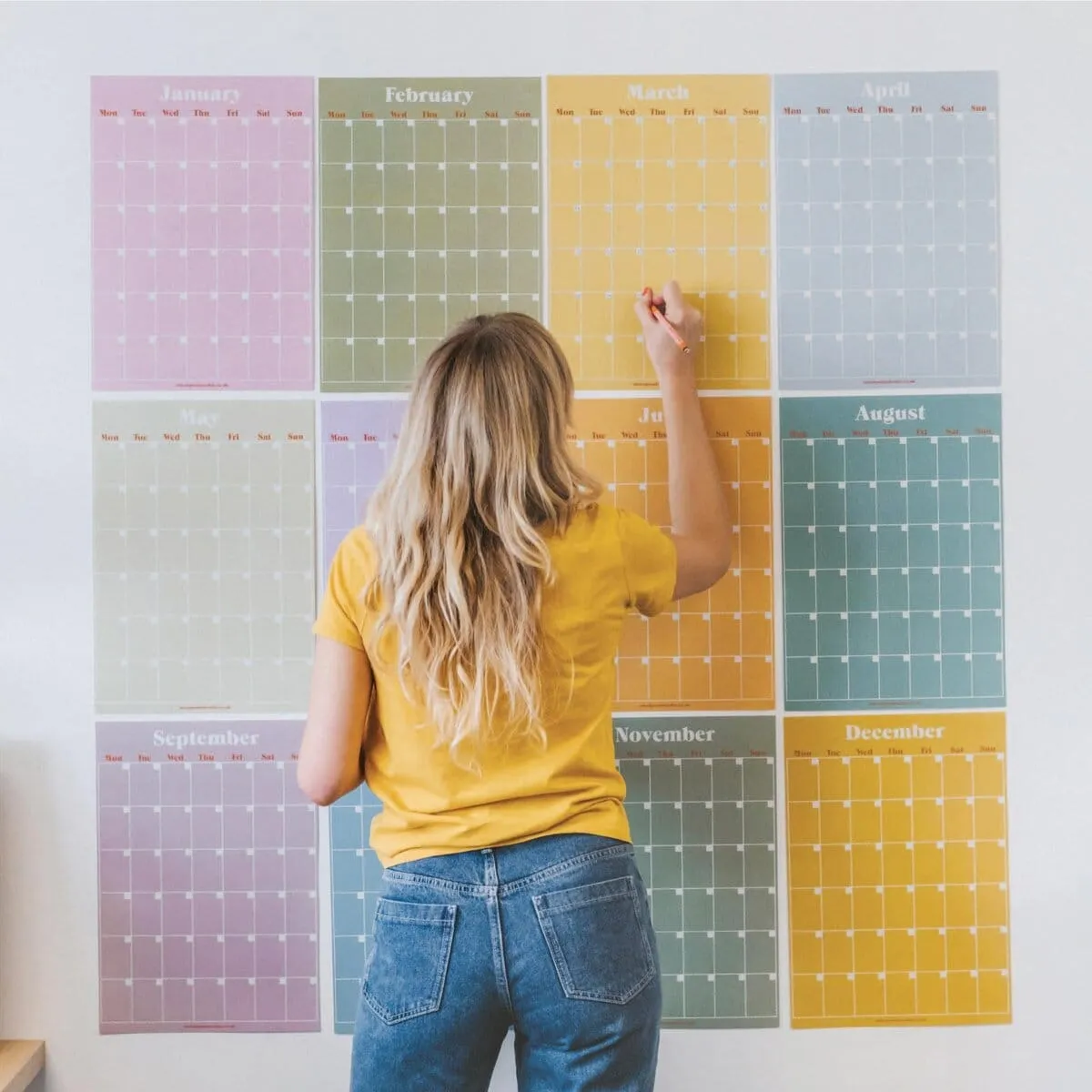
Good Tuesday A3 Wall Planner
goodtuesday.com
Michele Ferron started Good Tuesday in Cornwall in 2020, inspired by Dutch birthday calendars. She sold seven of her first ten overnight on Etsy, and now ships thousands worldwide. Her customers, including neurodivergent households, say these planners help with time blindness and task juggling, bringing calm to busy lives.
Psychologist Martha Deiros Collado uses two planners: a weekly one for her and her husband to track things like PE days, and an annual one for essentials her six-year-old can read. It cuts down on kids’ anxious questions. Unlike Google Calendar, a wall planner is a shared, screen-free hub everyone can see.
Pinterest is full of planner inspiration. Here are some highlights:
- DIY Dry Erase Calendars: Reusable boards with colour-coded sections, often paired with household chores or meal-planning printables.
- Acrylic Planners: Clear, dry-erase designs add a chic, minimalist touch.
- Command Centres: Full-scale war planning setups with calendars, clipboards, and memo boards, using magnets or Post-its.
- Chalkboard Calendars: A simple chalkboard planner blends rustic decor with function or paint a full wall with chalkboard paint to make your game-plan a daily feature.
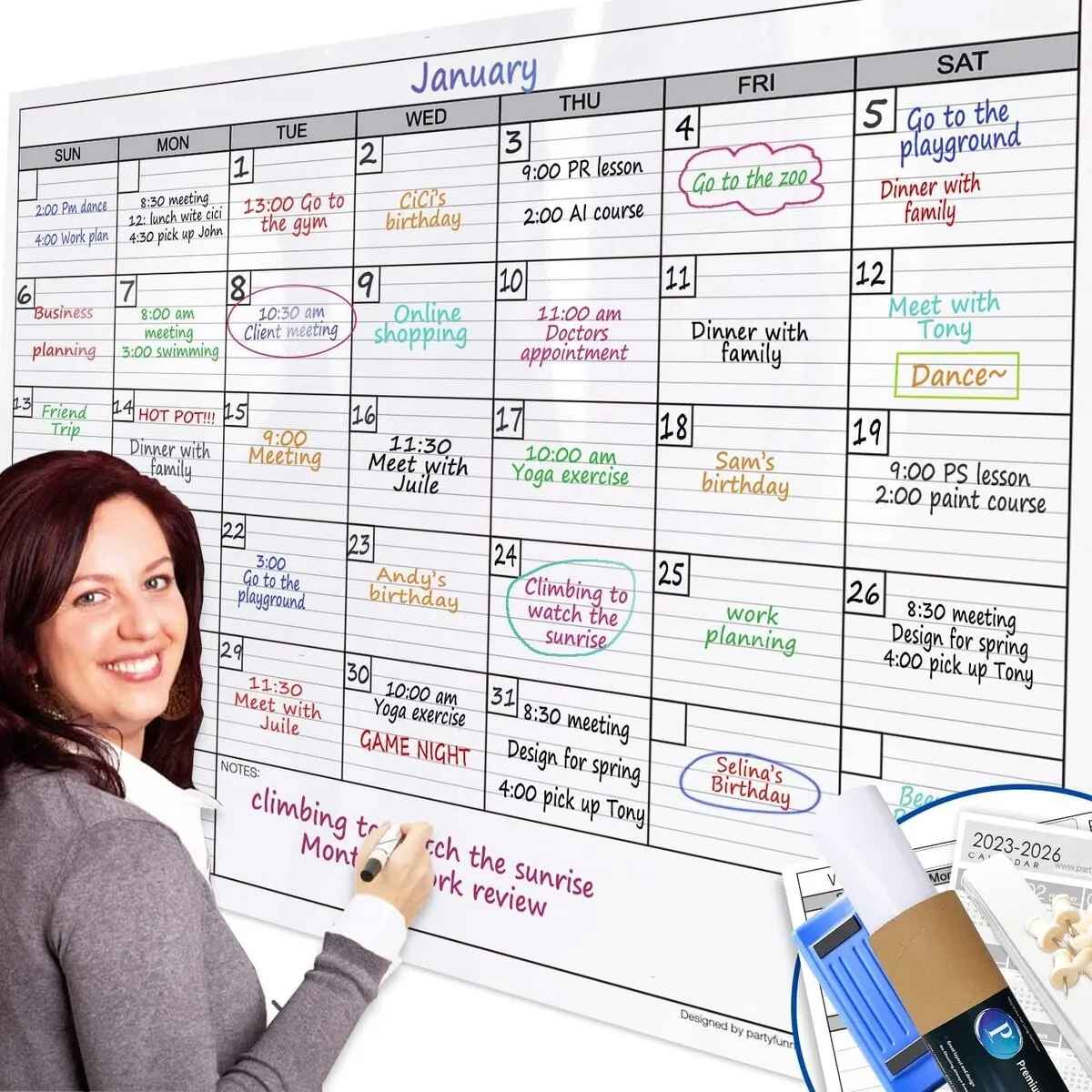
Dry Erase Monthly Extra Large White Board Calendar
amazon.co.uk
Acrylic Wall Planner
pinterest.com
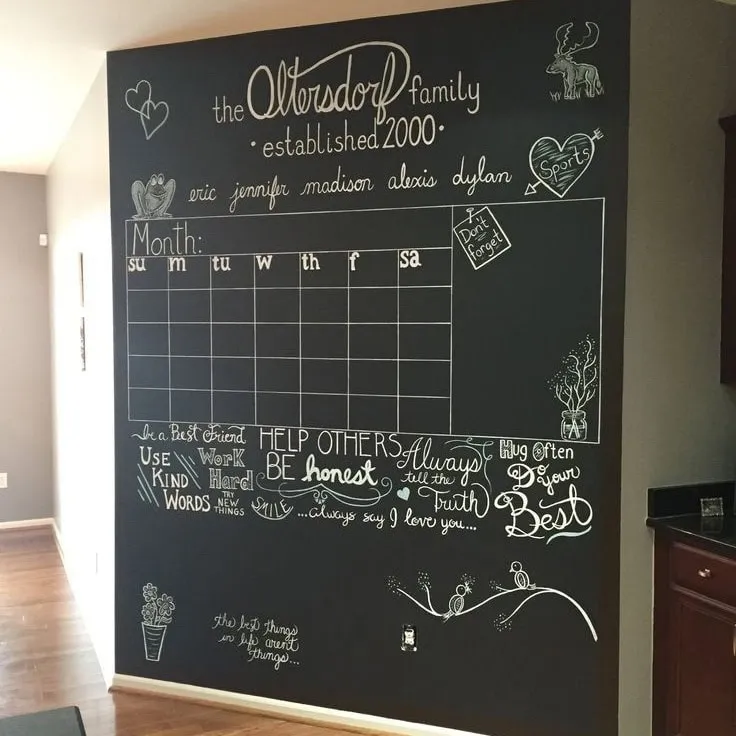
Chalkboard Planner
pinterest.com
The Catch: Are We Overplanning?
Planners can be lifesavers, but they have downsides. Some families use complex codes (initials, colours, even menstrual cycle symbols) that turn calendars into stressful puzzles.
Journalist Sarah Jaffe ties this to our hustle-obsessed culture, where empty schedules feel like failure. She sees planners as class- and gender-coded, often managed by women, with designs skewed to feminine aesthetics.
The pressure to fill every slot is real. Collado warns that society’s love of busyness can harm kids, who need unstructured time. Jaffe adds that post-Covid, hybrid work has made daily schedules a puzzle, pushing us to overschedule even downtime.
Finding Balance
The key is using planners to protect time, not just fill it. Collado’s family “plans to not plan,” blocking one weekend a month for rest or pottering. This fallow time is vital for recharging. A planner can guard spontaneous moments from the grind.
Why It Matters
Big family planners are more than a trend. They’re a snapshot of our struggle to balance work, family, and productivity pressures. They remind us that while days drag, years race by. Whether you want a wipe-clean board or a rustic chalkboard, make it work for you.
Organise the chaos, but leave room for the messy, unplanned moments that make life real.