Why Are Tradespeople Ghosting Homeowners?
When homeowners move into a house needing work, the excitement of a new space often turns to frustration. Kitchens and bathrooms requiring complete overhauls, new doors waiting to be installed, and overgrown gardens begging for attention are common projects.
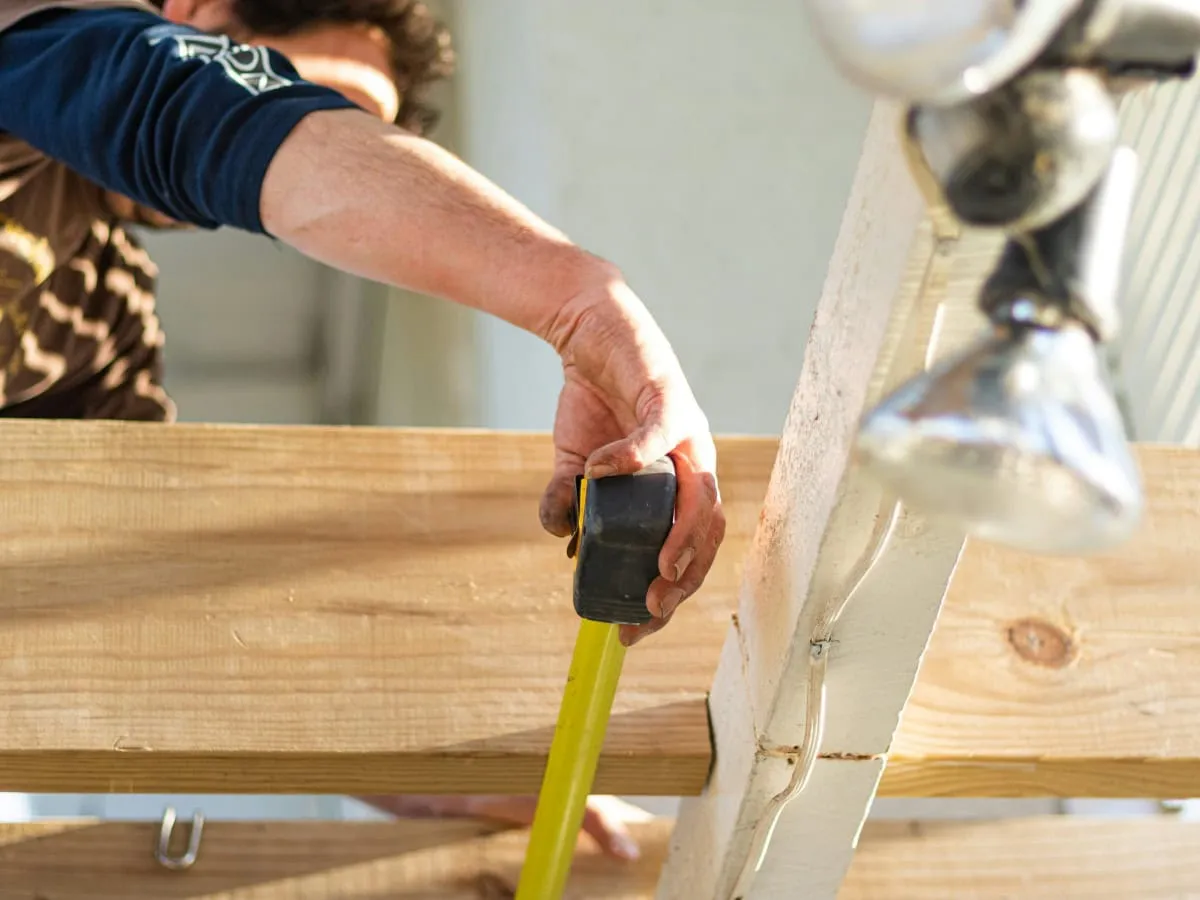
Yet, getting tradespeople to respond, let alone start work, can feel like chasing ghosts. Homeowners leave messages, send emails, and even have tradespeople visit for quotes, only for them to vanish without a word. This experience is far from unique, and there are clear reasons behind it.
A Skills Shortage Is Haunting the Trades
Experts highlight a significant skills shortage in the UK trades sector as the core issue. There simply aren’t enough tradespeople to meet demand. Many experienced workers are nearing retirement, and too few young people are training to take their place.
Apprenticeship numbers have dwindled, and with over a third of tradespeople now self-employed, they are overwhelmed with work. Some are booked months or even years in advance, with Fix Radio reporting over 400,000 people in Britain waiting more than a year for building work.
This shortage allows tradespeople to be selective about their jobs. Smaller projects, like a modest kitchen refit or a bathroom overhaul in a terraced house, may not seem worth their time compared to larger, more profitable contracts.
One builder noted that jobs with logistical challenges, such as difficult parking or demanding clients, are often sidelined. It’s not personal, but it leaves homeowners feeling ignored.
Why the Silent Treatment?
The ghosting, where tradespeople fail to return calls or disappear after providing a quote, is a major grievance.
Jane Denton from This is Money calls it unprofessional, noting it tarnishes the industry’s reputation. A simple text or email saying, “Sorry, I can’t take this job,” would suffice.
However, some tradespeople admit they avoid jobs that seem problematic, unprofitable, or involve clients likely to haggle excessively.
A retired carpenter explained that after visiting a property, tradespeople may decide the job isn’t worth their time but neglect to inform the homeowner. Others are simply too busy to prioritise smaller inquiries, especially if the work is needed soon.
How to Get Tradespeople to Show Up
So, how can homeowners get their projects noticed in this crowded market? Here are practical tips drawn from expert advice and real-world experiences:
Be Specific and Organised: Homeowners should create a clear, detailed brief for their project, listing exactly what needs doing (kitchen, bathroom, doors, garden) and grouping tasks by trade.
A well-prepared brief helps busy tradespeople quickly assess if the job suits their skills and schedule. The more homeowners show they know what they want, the more likely tradespeople will take them seriously.
Tap Into Local Networks: Local tradespeople are less likely to let clients down, as they have a community reputation to uphold. Homeowners can ask at builders’ merchants, home improvement stores, or talk to neighbours for recommendations.
One homeowner found a reliable “local lad” through a salesperson for a bathroom job, which turned out well. Posting in local online groups or using trusted platforms can help, though some warn against sites like Check a Trade due to their unreliability.
Use Personal Recommendations: Tradespeople recommended by friends, family, or neighbours are more likely to show up and deliver quality work. Verified online reviews can be useful too, but homeowners should ensure they’re legitimate.
One person shared success with semi-retired tradespeople in their 60s, who often bring thoroughness and reliability, making them a good option for projects.
Be Realistic and Flexible: Good tradespeople are in high demand and can afford to be selective. Small jobs may be overlooked, so homeowners should be prepared to wait.
Scheduling work for quieter months like winter or agreeing to stagger tasks can make a project more appealing. If a tradesperson can start immediately, it’s often a warning sign they may not be in demand for a reason.
Communicate Clearly and Persistently: Some tradespeople prefer texts or calls over emails, or even respond better on social media. Homeowners should follow up politely but promptly on quotes and be transparent about their timeline and budget in writing. This demonstrates seriousness and helps build trust.
Excessive haggling should be avoided, as tradespeople are wary of clients expecting cheap work when demand allows them to charge premium rates.
The Bigger Picture
The trades shortage isn’t just a problem for homeowners; it reflects a deeper issue. Only one in 10 young people are being told about trades as a career option, despite the sector offering strong opportunities and job security, unaffected by threats like AI.
Over a million new tradespeople are needed by 2030, but the pipeline remains thin. This makes skilled workers more valuable than ever, and they know it.
While it’s tough for homeowners to accept that their dream kitchen may have to wait, being proactive and strategic can make a difference.
By focusing on local, recommended tradespeople, preparing a clear brief, and staying flexible, homeowners can improve their chances of turning their house into the home they envision.