Using Architectural Salvage for Bespoke Furniture Creations
Old doors, window frames, and ornate corbels gathering dust in reclamation yards are brimming with potential to become one-of-a-kind furniture pieces. In UK homes, where character and sustainability are prized, architectural salvage offers a way to craft bespoke furniture that blends history with modern style.
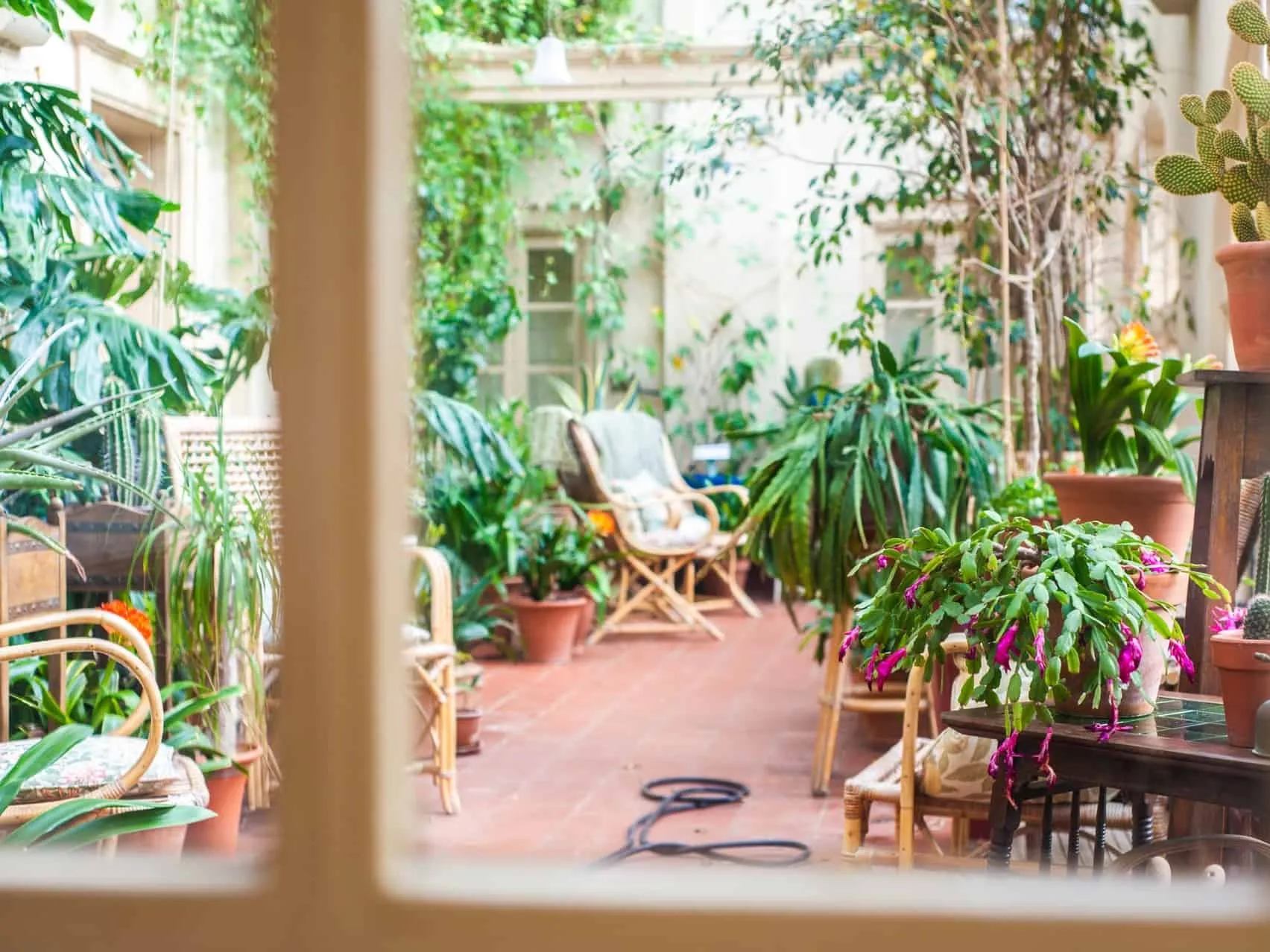
An iron architectural salvage window frame employed as a decorative backdrop.
Why Architectural Salvage?
Reclaimed architectural elements, like Victorian door panels or Georgian window frames, bring texture and authenticity that mass-produced furniture lacks. The Guardian highlighted in 2024 that salvaged materials are gaining traction for their eco-friendly appeal and unique stories.
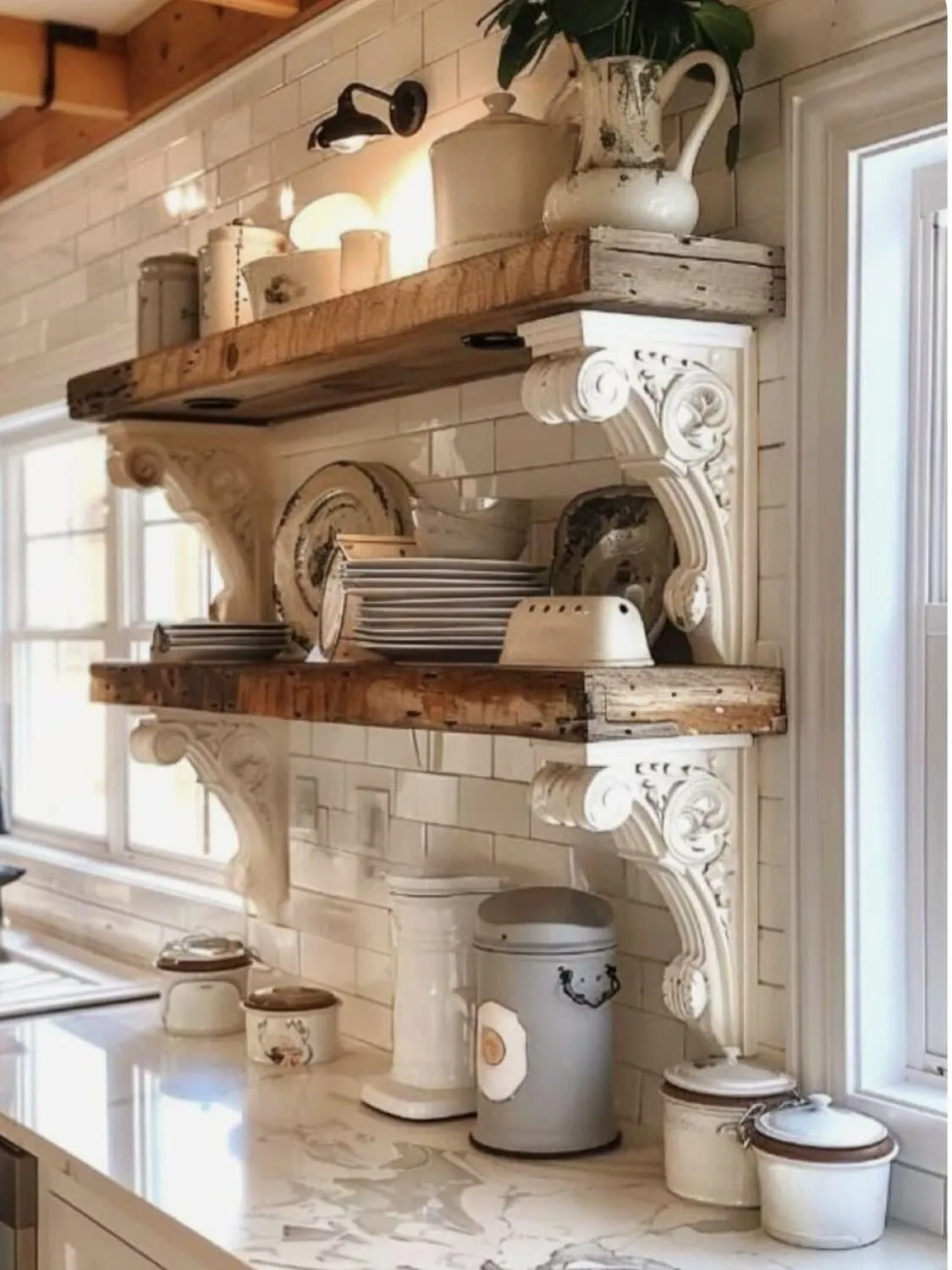
Decorative wooden corbels and reclaimed timber boards repurposed as a pair of kitchen shelves
These pieces are ideal for creating furniture that stands out, whether in a cosy cottage or a city flat. Plus, their sturdy construction makes them durable enough for everyday use, fitting the practical needs of UK homes where space and longevity matter.
Where to Source Salvage
Start at reclamation yards like LASSCO in London or SalvoWeb’s network across the UK, where you’ll find treasures like oak doors, cast-iron corbels, or wooden shutters. Prices typically range from £30-£200, depending on age and condition.
How to Create Bespoke Furniture
Turning architectural salvage into furniture is a rewarding DIY project, even for beginners. Here’s a step-by-step guide:
- Choose Your Material: Pick pieces suited to your project. Popular options include:
- Doors: Ideal for table tops or headboards due to their flat surfaces.
- Window Frames: Perfect for open shelving or decorative backdrops.
- Corbels: Use as bases for console tables or shelves.
- Shutters: Great for folding screens or cabinet doors.
Clean and Prep: Sand surfaces to remove old paint or splinters, using a sander. Clean with soapy water and dry thoroughly. For wood, apply a sealant like Osmo oil to protect against moisture.
Design Your Piece: Plan your furniture’s function. For example:
- Coffee Table: Cut a reclaimed door to size and attach hairpin legs.
- Wall Shelves: Mount a window frame with brackets to hold books or plants.
- Headboard: Use a carved door panel, sanded and stained, to add drama to a bedroom.
Customise: Paint with chalk paint (Annie Sloan’s Duck Egg Blue, £25 per litre) for a modern look, or stain to highlight wood grain. Add hardware, like brass knobs (£5 each), for a polished finish.
Styling Your Creations
Salvaged furniture shines when styled thoughtfully. Here are some ideas for different rooms:
- Living Room: A reclaimed door coffee table, stained in walnut, pairs well with a linen sofa and a jute rug for a rustic vibe.
- Hallway: A corbel-based console table, painted in Farrow & Ball’s Railings, adds elegance under a round mirror.
- Bedroom: A shutter headboard in soft grey creates a focal point, complemented by cotton bedding in neutral tones.
- Dining Room: Window frame shelves, holding ceramic plates, add charm above a wooden dining table.
Keep the surrounding decor simple to let the salvaged piece stand out. Use neutral walls to balance the furniture’s bold character, and add soft textures like wool throws or velvet cushions for warmth.
Practical Tips
Check for structural issues like rot or weak joints before buying; a sturdy piece saves repair headaches. Budget £30-£200 for materials, plus £20-£50 for supplies like paint or legs.
For heavy projects, like a door table, ensure your floor can support the weight. Basic tools (sander, drill, brushes) cost £50-£150 total, but you can rent them from DIY stores for less.
Sustainability and Style
Using architectural salvage aligns with the sustainable decor trend noted by Homes & Gardens in 2025. Repurposing old materials reduces waste and celebrates craftsmanship, giving your home a lived-in feel that’s perfect for UK settings, from period terraces to urban flats. Each piece tells a story, making your decor unique compared to chain-store options.
Common Pitfalls to Avoid
- Overcomplicating: Stick to simple designs if you’re new to DIY; intricate cuts require advanced skills.
- Ignoring Weight: Heavy pieces like doors need strong supports; flimsy legs won’t hold up.
- Clashing Aesthetics: A salvaged piece can look odd in a sleek, modern room. Balance it with complementary textures, like natural fabrics or muted colours.
Inspiration from Trends
The love for reclaimed materials, as seen in The Guardian’s 2024 coverage, shows no sign of fading. Architectural salvage lets you tap into this by creating furniture that’s both functional and artistic. Whether you paint a door table in a bold hue or leave a window frame’s weathered patina untouched, the result is a piece that feels personal and timeless.
Architectural salvage offers endless possibilities for crafting bespoke furniture that’s sustainable and full of character. From a door-turned-table to a window-frame shelf, these projects let you blend history with modern style. So, visit a reclamation yard, pick a piece with potential, and start creating - your home will thank you for the unique touch.