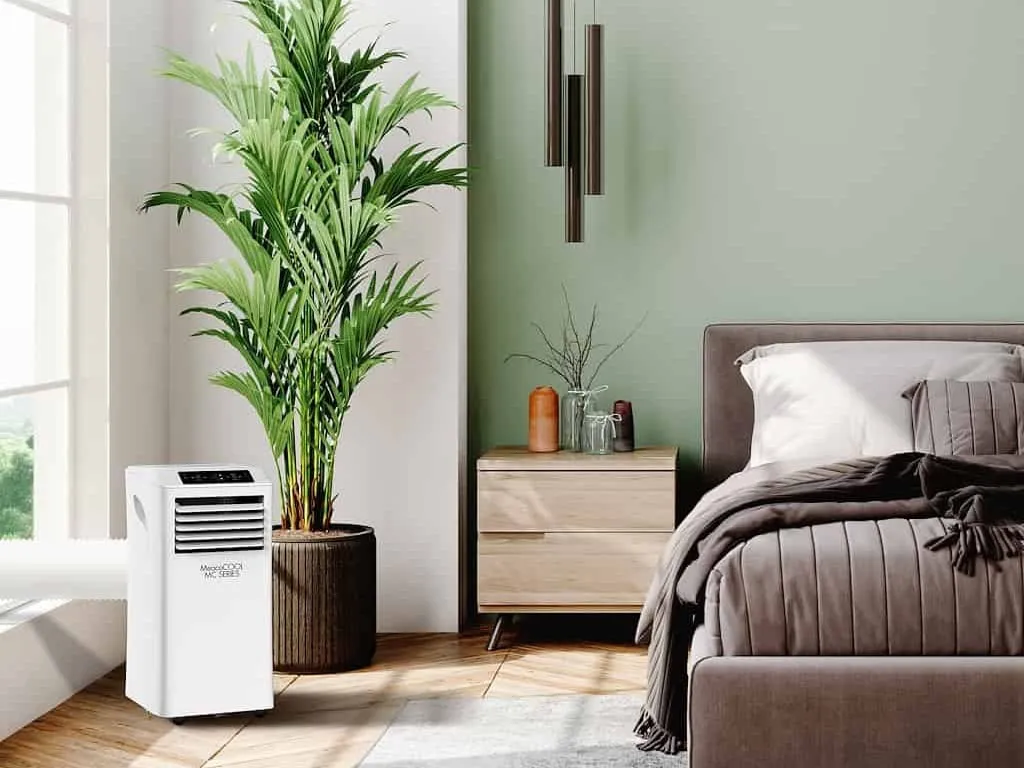
How to Pick the Right Colour for Each Room of Your House
Choosing the right colour for each room depends on the room’s purpose, mood you want to create, and practical factors like size and lighting. Here’s a quick guide:
Living Room
Go for warm, inviting colours like soft beiges, warm greys, or muted greens to encourage relaxation and socialising. If you want energy, try a bold accent like terracotta or navy. Lighter shades make small spaces feel bigger; darker tones add cosiness to larger rooms.
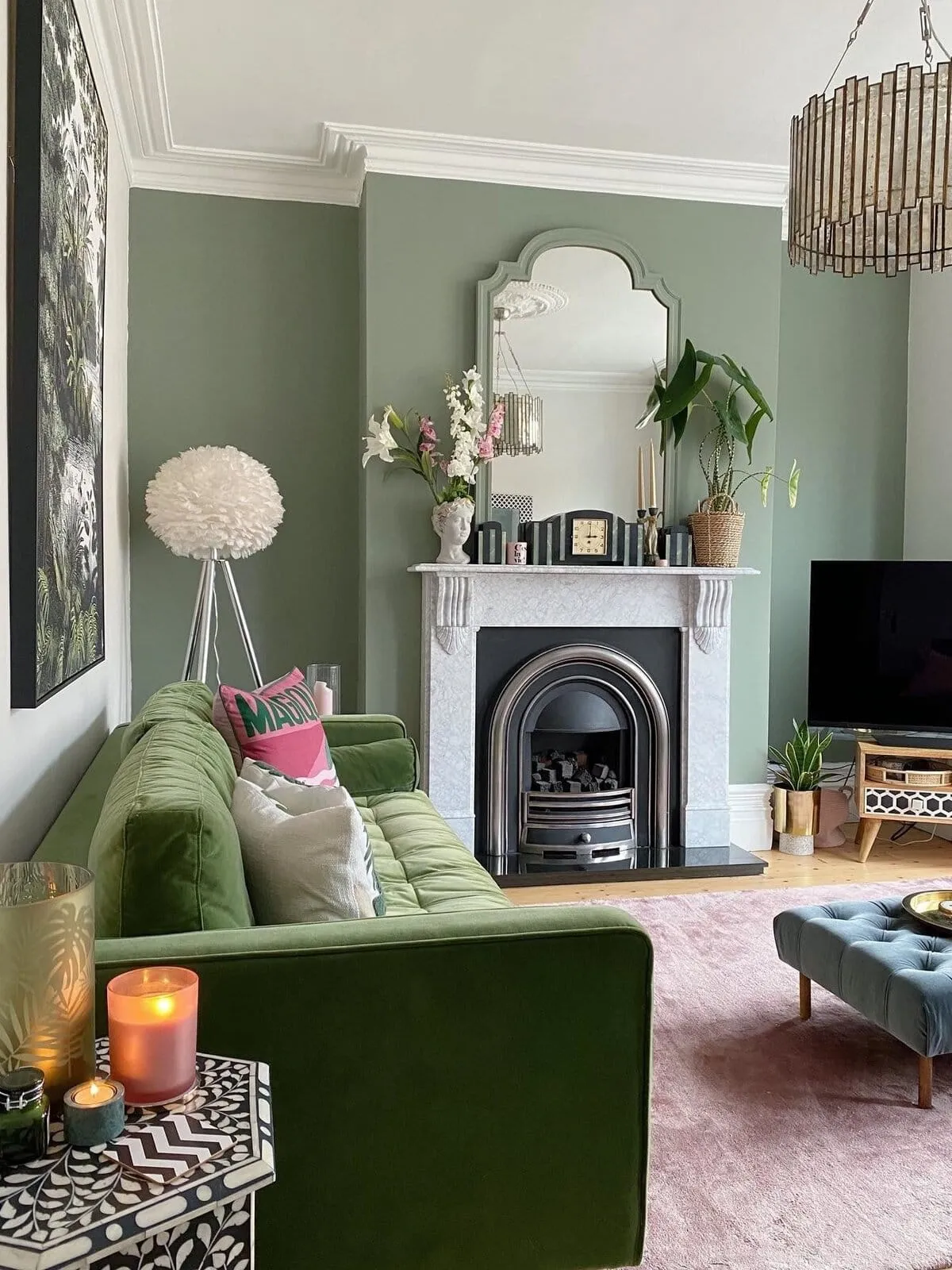
Card Room Green & Strong White
Bedroom
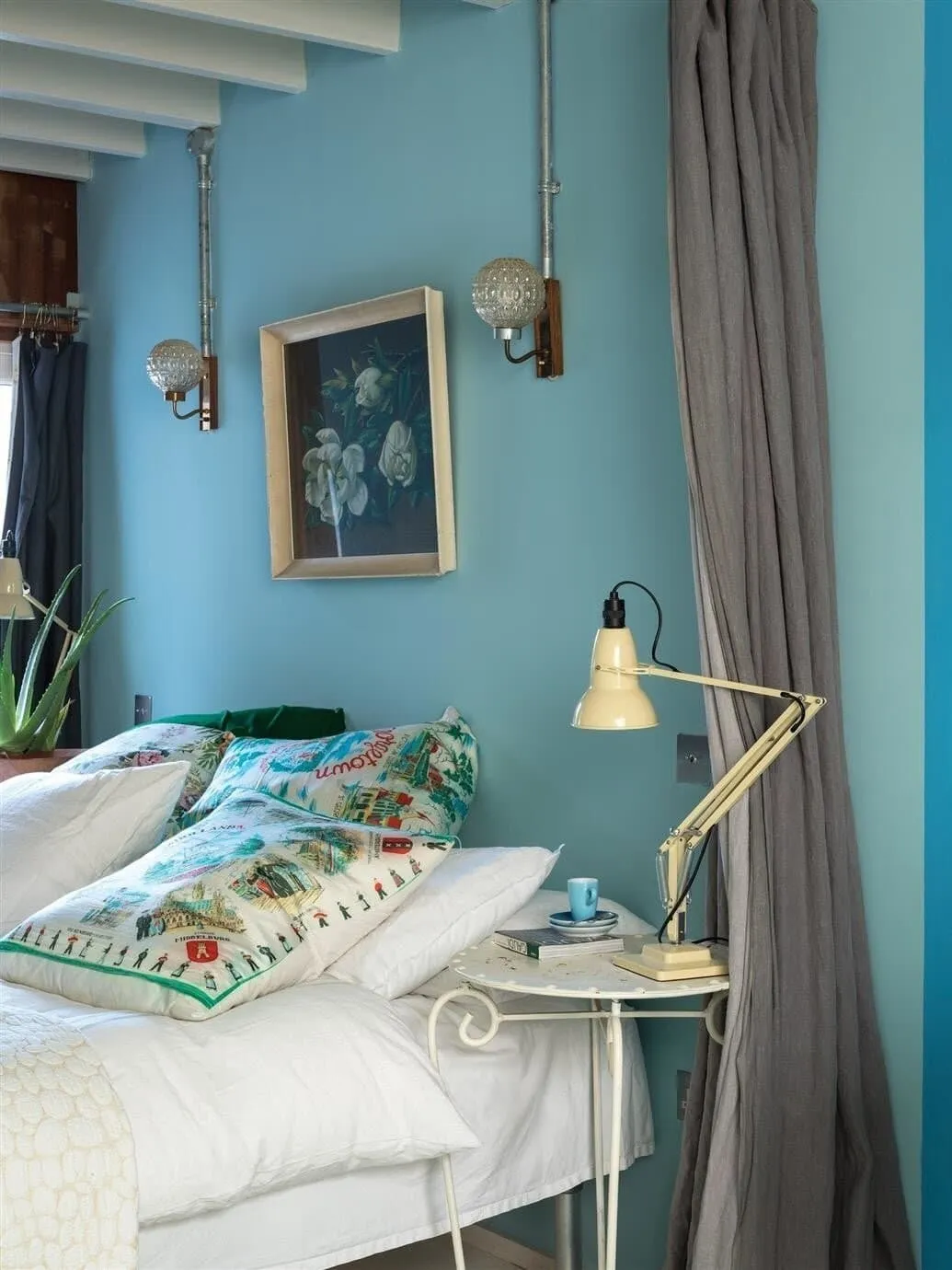
Opt for calming colours like pale blues, lavenders, or soft greys to promote rest. Avoid bright, stimulating hues like red or neon. If you love drama, a deep teal or charcoal accent wall behind the bed can work without overwhelming.
Kitchen
Bright, clean colours like whites, light yellows, or soft greens keep things fresh and lively. Kitchens handle bold pops like red or mustard well, especially on cabinets or an accent wall, since it’s a high-energy space.
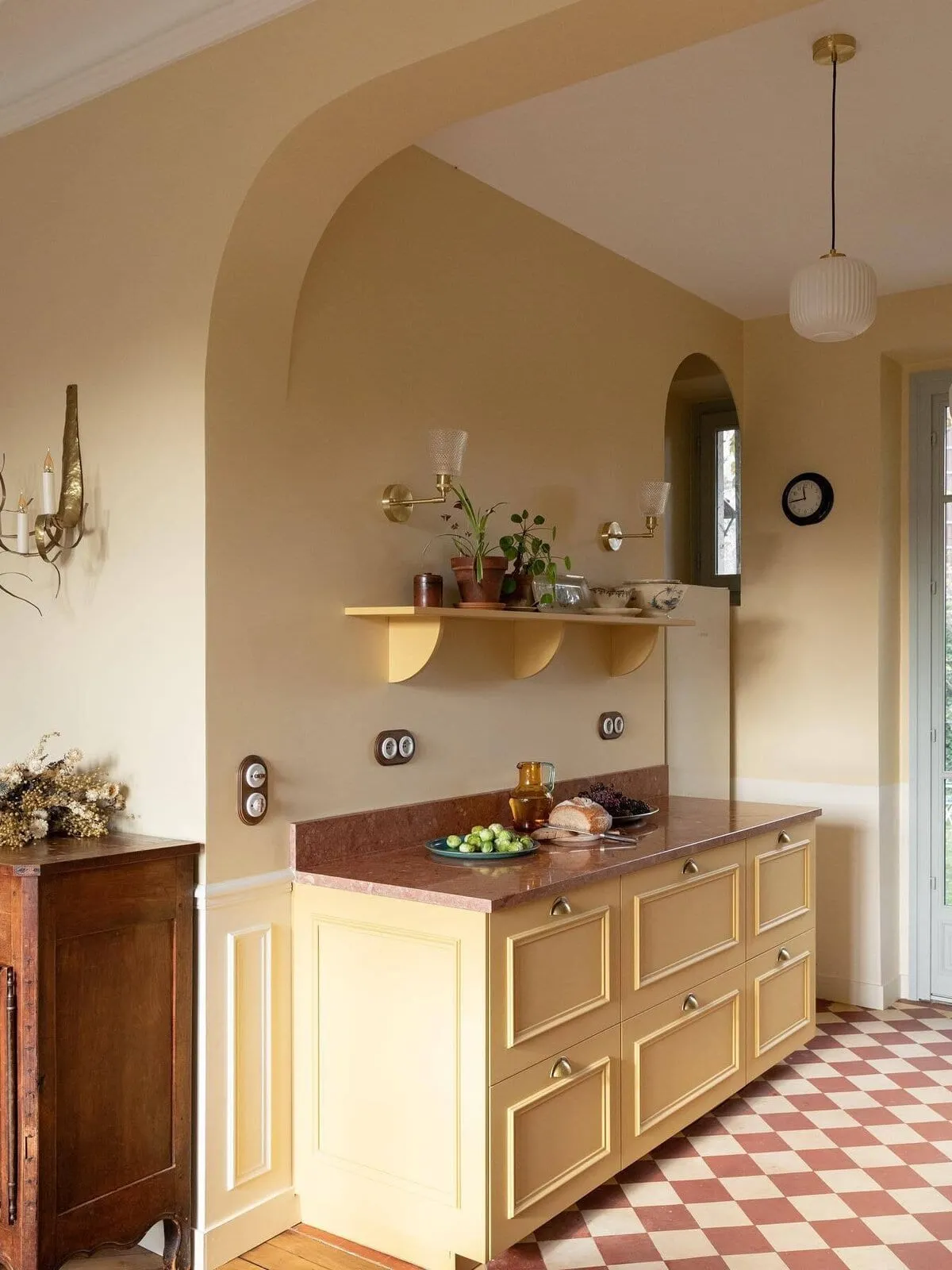
Dorset Cream, Tallow & Sudbury Yellow
Bathroom
Stick to serene, spa-like tones like white, pale blue, or seafoam green for a clean, tranquil vibe. Small bathrooms benefit from lighter colours to feel spacious. Add warmth with wood tones or metallic accents.
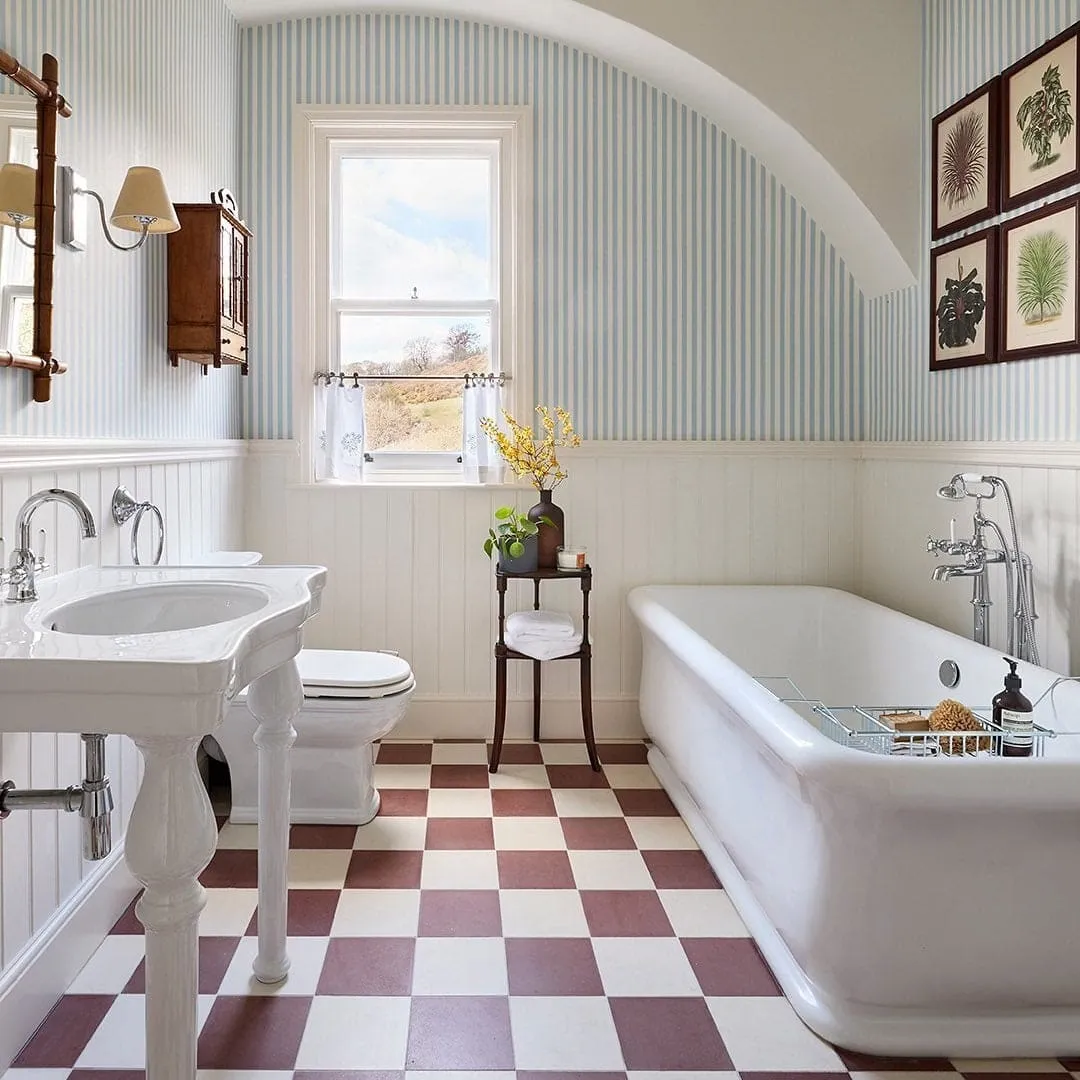
Wimborne White & Closet Stripe
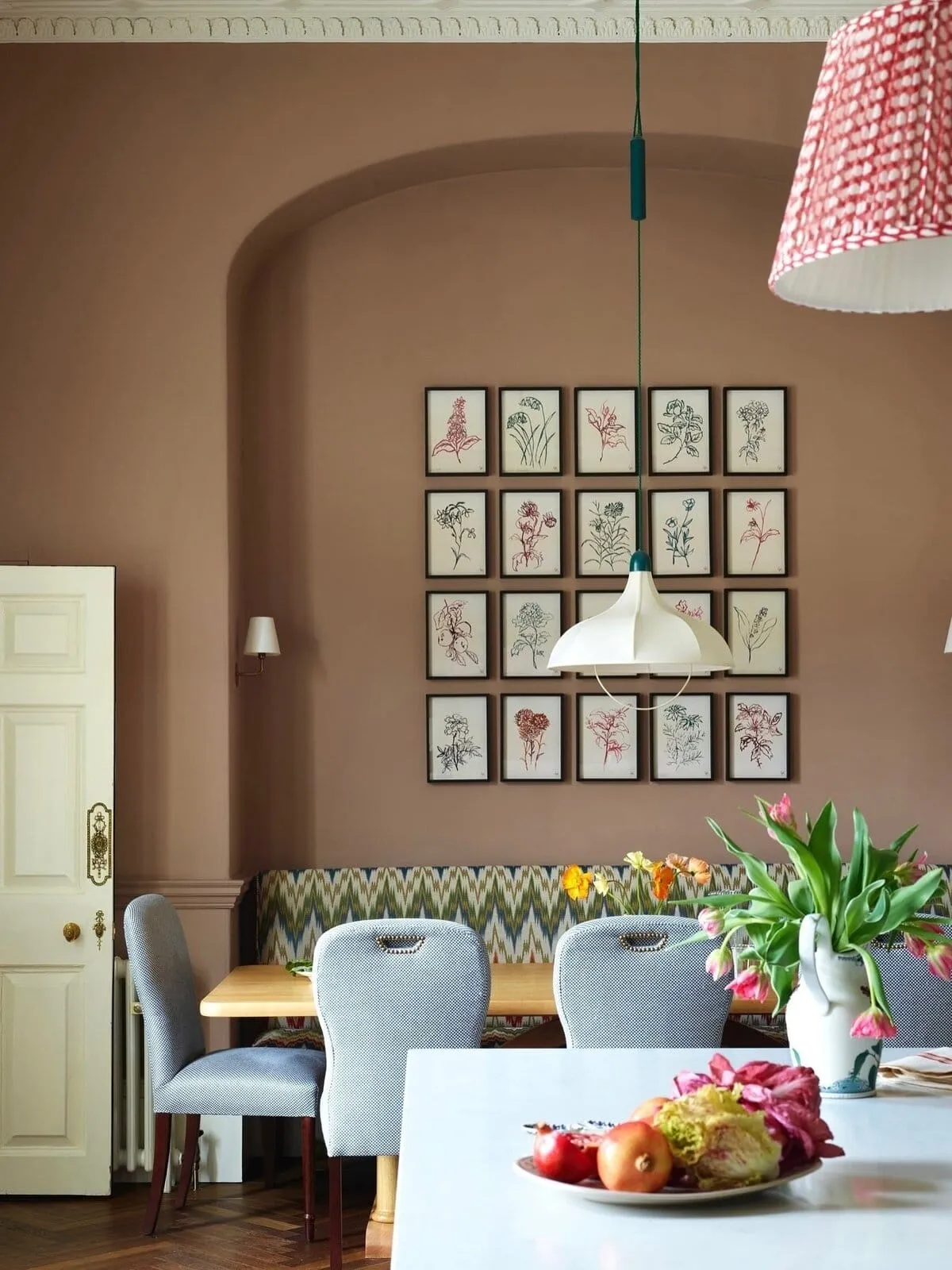
Dining Room
Rich, appetising colours like warm reds, deep oranges, or earthy browns create intimacy and stimulate appetite. For a modern look, try charcoal or slate blue. Keep lighting in mind—darker colours need good artificial light to avoid feeling heavy.
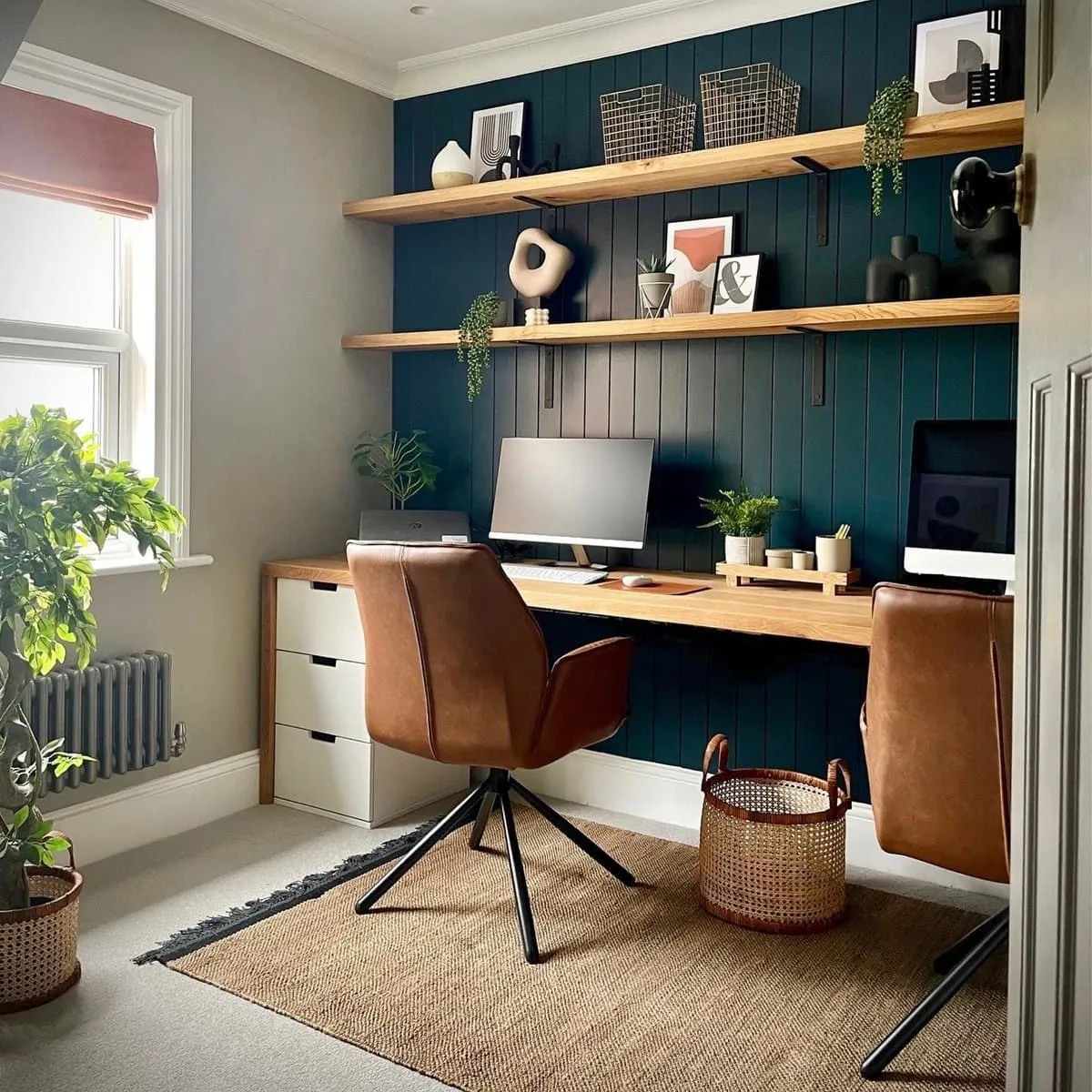
Home Office
Choose focus-friendly colours like muted blues, greens, or greys to boost productivity without distraction. A touch of yellow or orange can spark creativity but use sparingly to avoid overstimulation.
Considerations
- Lighting: Natural light makes colours look brighter; test samples in the room’s light. Warm artificial light enhances warm tones, cool light suits blues and greys.
- Room size: Light colours open up small rooms; darker ones add depth to large spaces.
- Flow: Ensure colours complement each other across rooms for a cohesive feel, especially in open-plan homes.
- Mood: Warm tones (reds, yellows) energise; cool tones (blues, greens) calm.
- Test: Paint swatches on walls and live with them for a few days to see how they feel.
Personal taste matters most, so pick colours you love. If unsure, neutrals are versatile and timeless, with accents for personality.