Enhancing Furniture with Textured Wall Panels
Textured wall panels have become a popular choice in home decor, offering a way to add depth and interest to rooms while complementing furniture. These panels come in various materials, such as wood, plaster, or fabric, and they can transform plain walls into features that enhance the overall look of a space.
Whether you are updating a living room, bedroom, or hallway, incorporating textured panels can create a balanced environment where furniture stands out more effectively.
Benefits of Textured Wall Panels
One of the main benefits of textured wall panels is their ability to provide a backdrop that highlights furniture without overwhelming it. For instance, smooth furniture pieces, like a simple sofa or a minimalist coffee table, can appear more striking against a panel with subtle ridges or patterns.
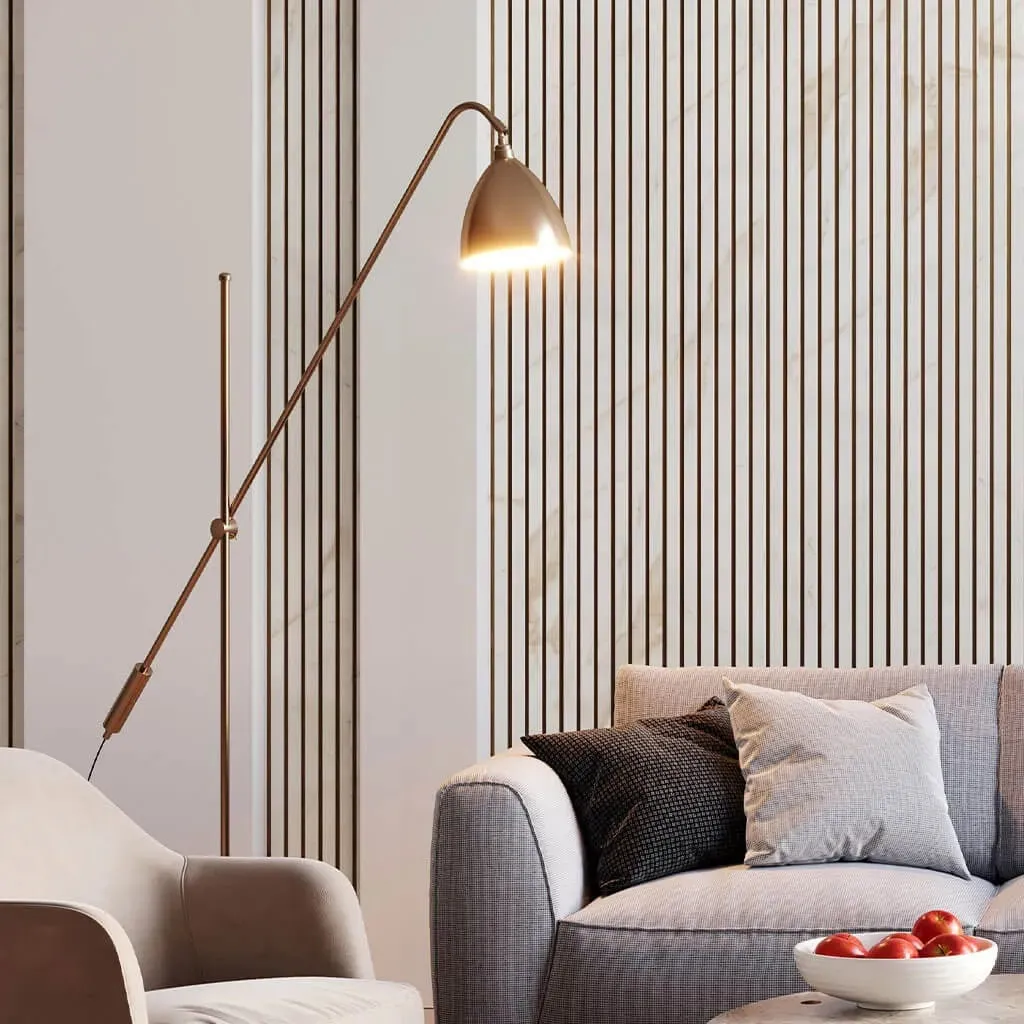
White marble slatt finish wall panels as a backdrop to a grey fabric sofa
desiner-walls.co.uk
This contrast draws the eye to the furniture, making it the focal point. In rooms where furniture is arranged in a central position, panels on surrounding walls can frame the setup, adding a layer of sophistication.
Selecting the Right Materials
When selecting textured wall panels, consider the material that best suits your furniture style. Wooden slat panels, for example, work well with natural wood furniture, creating a cohesive, organic feel.
The vertical lines of slats can elongate a room visually, which pairs nicely with low-profile seating or tables.
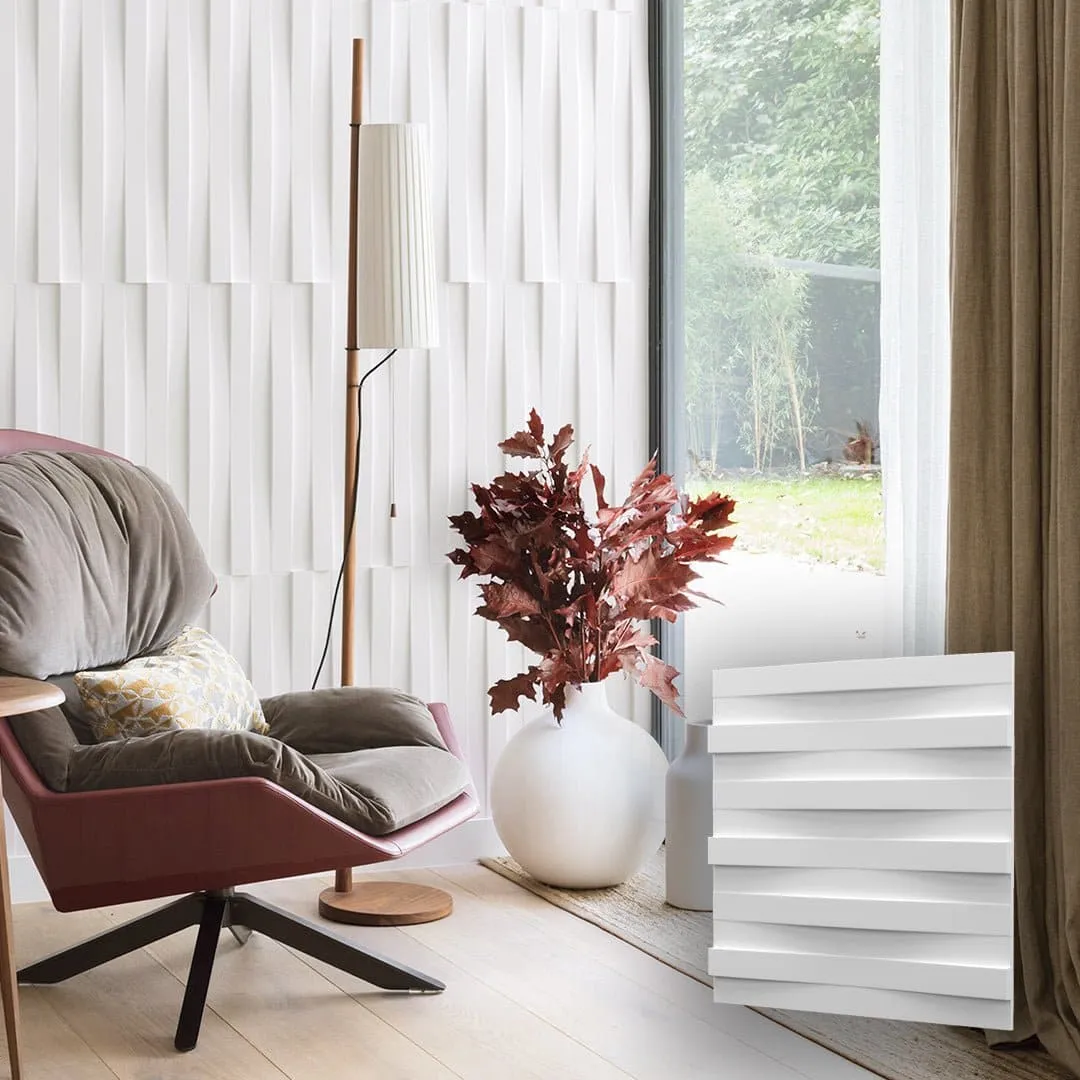
Stripes 3D Plaster Wall Panels - Install these plaster wall panels vertically or horizontally to create a stunning feature wall.
3dwallpanels.co.uk
Plaster panels with three-dimensional designs offer a more sculptural effect, ideal for complementing upholstered furniture in soft fabrics. Fabric-covered panels, often with padding for acoustics, can soften a space and enhance the comfort of nearby chairs or beds.
Installation Guide
Installation of textured wall panels is straightforward, making them accessible for home updates. Most panels attach directly to walls using adhesive or basic fixings, allowing for quick application.
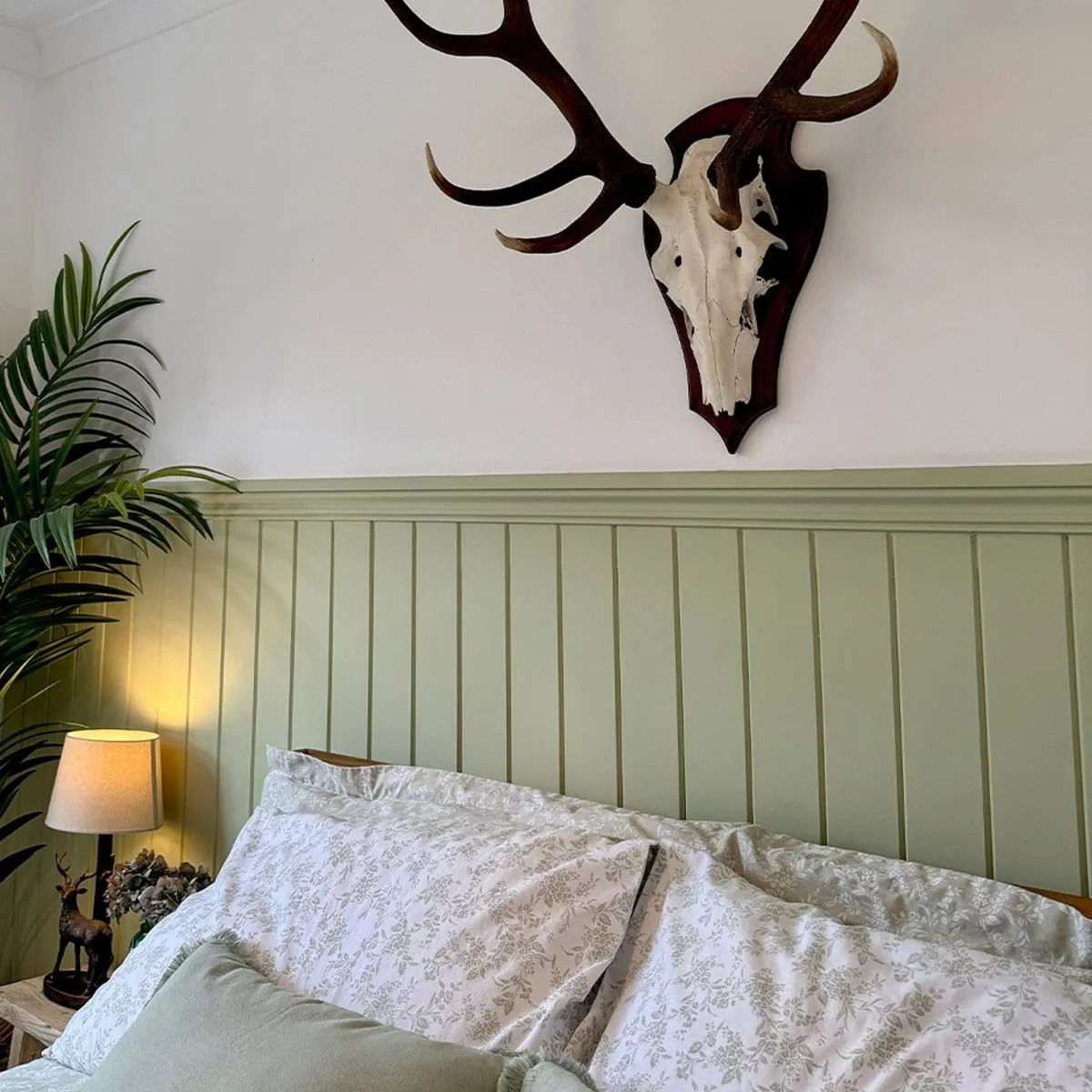
Let the texture do the talking with these painted tongue and groove wall panels.
wallpanelsworld.co.uk
Start by preparing the wall surface, ensuring it is clean and even. Position the panels to align with furniture placement; for example, centre a panel behind a headboard or sofa to create symmetry.
If you prefer a subtle integration, paint the panels in a tone similar to the wall, letting the texture provide the interest rather than colour.
Styling Tips
Once installed, styling the room involves coordinating the panels with existing furniture. In a living area, a panel with gentle waves can accentuate a curved armchair, echoing its shape for harmony.
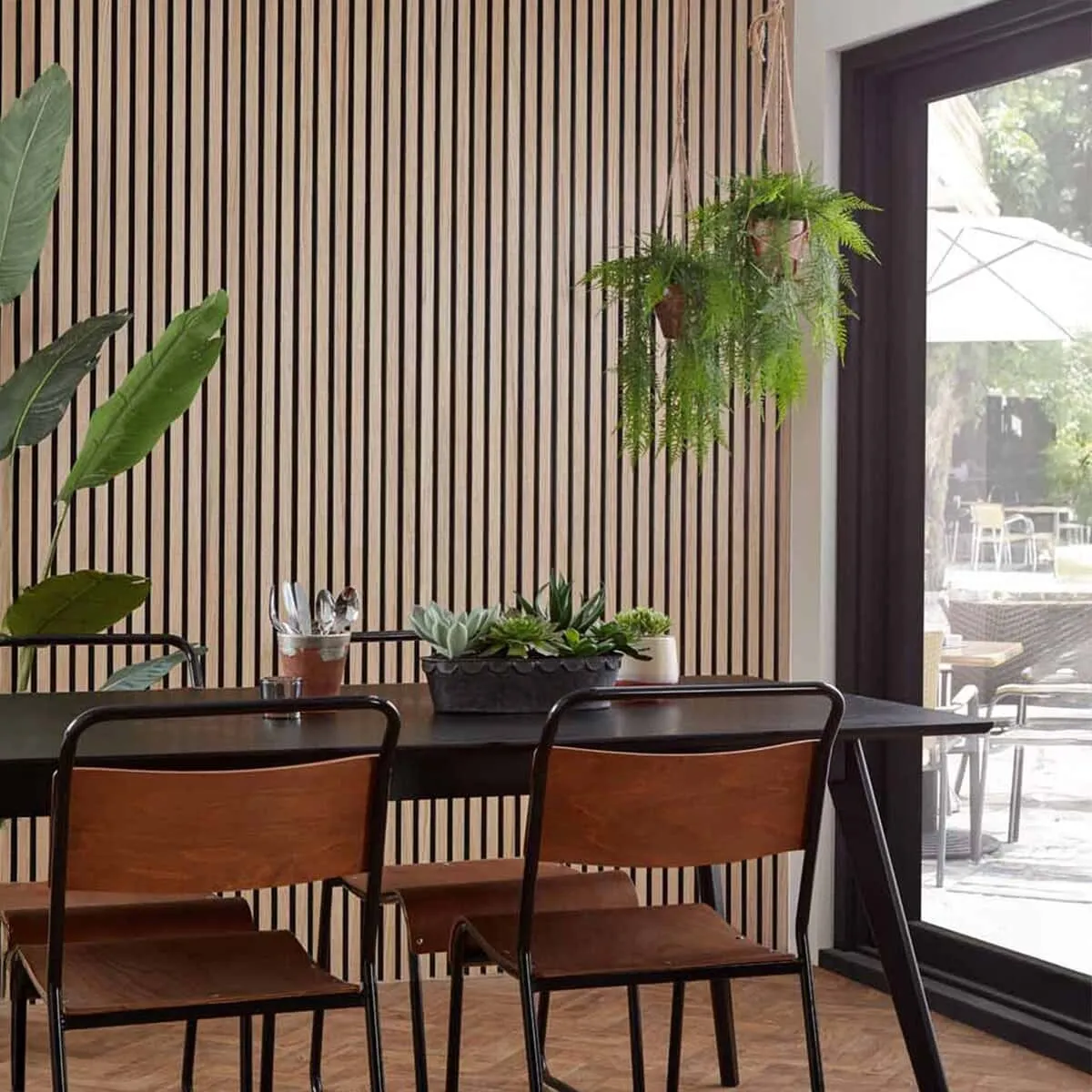
SlatWall Acoustic Natural Oak and Black
naturewall.com
For dining spaces, ribbed panels behind a table can add elegance, making wooden chairs or benches feel more refined.
Layering accessories sparingly keeps the focus on the interplay between panels and furniture; a few cushions or a throw in matching textures can tie everything together.
Maintenance Advice
Maintenance of textured wall panels is simple, which helps preserve their role in enhancing furniture. Dust them regularly with a soft cloth to keep the surface clean, and avoid harsh cleaners that might damage the material.
Wooden panels may benefit from occasional polishing to maintain their lustre, while fabric ones can be vacuumed gently.
This upkeep ensures the panels continue to serve as a complementary element, supporting the longevity of your furniture arrangement.
Functional Improvements
Beyond aesthetics, textured wall panels can improve room functionality when paired with furniture. In open areas, panels can define zones, such as separating a seating group from a workspace.
This zoning helps furniture feel purposeful, like positioning a desk against a panelled wall to create a dedicated office nook.
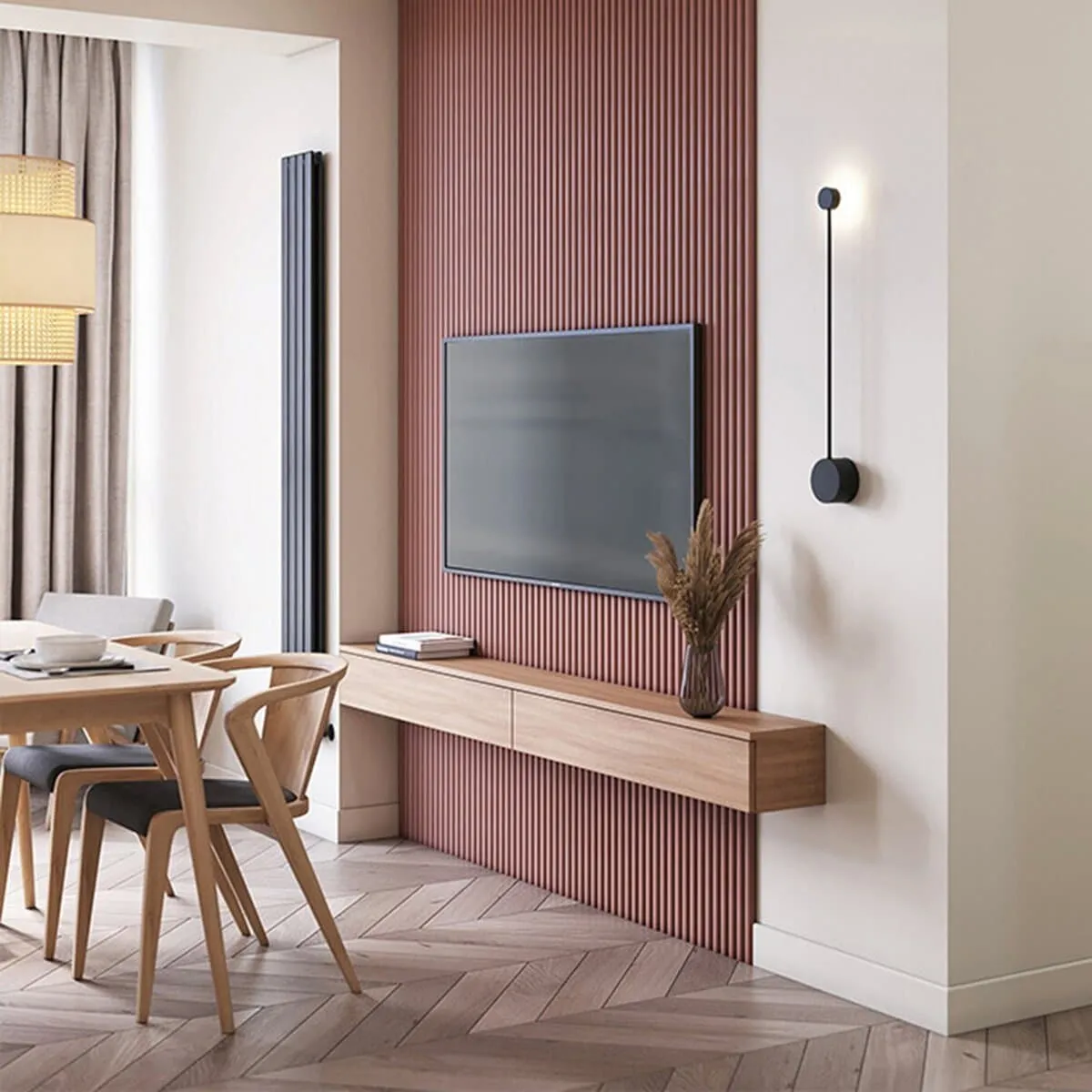
Orac Hill 3D Paintable Wall Panel - using painted 3D panelling is an easy way to zone and define areas within the home.
naturewall.com
In smaller rooms, lighter textured panels can reflect light, making furniture appear less imposing and the space more inviting.
Experimenting with different textures allows for personalisation. Mix smooth and rough surfaces; a glossy furniture piece against a matte panel creates visual interest.
Or, combine materials, such as metal accents on furniture with stone-like panels for an industrial vibe. The key is balance, ensuring the panels support rather than compete with the furniture.
Sustainable Options
For those interested in sustainability, many textured wall panels are made from recycled or eco-friendly materials.
Opting for these can align your decor choices with environmental considerations, while still providing a strong complement to furniture. Panels from reclaimed wood or biodegradable composites reduce waste and add character.
The Role of Lighting
Lighting plays a crucial role in how textured wall panels interact with furniture. Position lamps or overhead lights to cast shadows on the panels, which can highlight furniture contours.
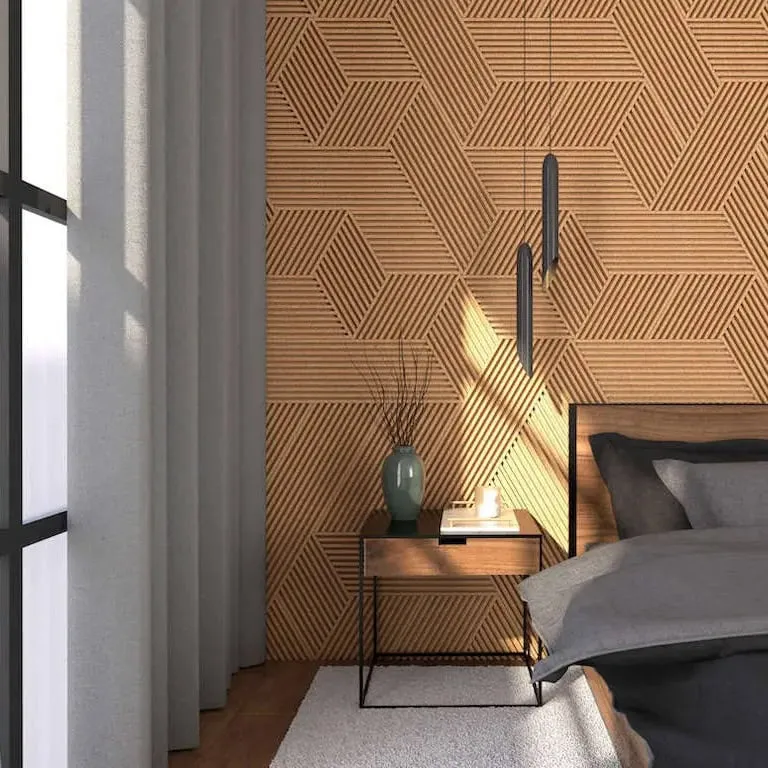
Diamond Stripe Wall Panels
decormania.co.uk
Wall-mounted lights near panels can create ambient glows, softening edges and making seating areas more welcoming. Natural light from windows can also enhance textures during the day, bringing out details in both panels and furniture.
Colour Coordination
Colour coordination is another aspect to consider. Neutral panels allow bold furniture colours to shine, while toned panels can subtly match upholstery for a unified look.
For example, grey panels with blue-tinted furniture create a calm atmosphere. Avoid clashing shades to maintain harmony.
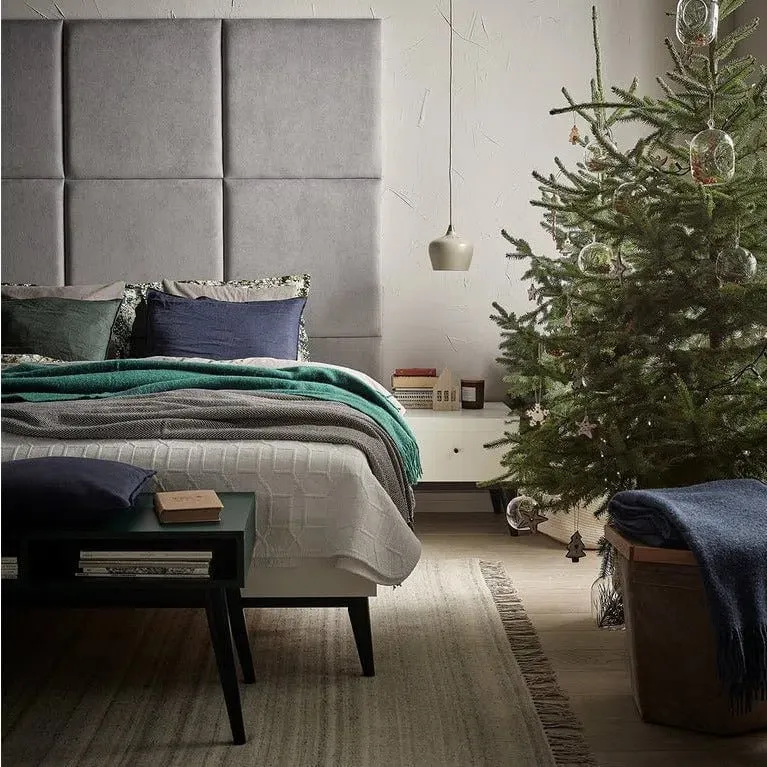
Grey Fabric Upholstered Wall Panels
decormania.co.uk
Applications in Different Rooms
In bedrooms, textured wall panels behind beds can elevate simple frames or nightstands. The added dimension makes the space feel luxurious without excess. In hallways, panels can complement console tables or benches, turning narrow areas into stylish entries.
Versatility Across Styles
Textured wall panels offer versatility across home styles, from contemporary to traditional. In modern setups, clean-lined panels suit sleek furniture, while ornate designs fit classic pieces. This adaptability makes them a reliable choice for evolving decor needs.
Using textured wall panels as a furniture complement involves thoughtful selection, installation, and styling. They provide a foundation that enhances furniture, improving both appearance and function. By integrating panels carefully, you can achieve a polished, inviting home environment.