Designing Multi-Generational Living Spaces: Stylish and Functional Homes for All Ages
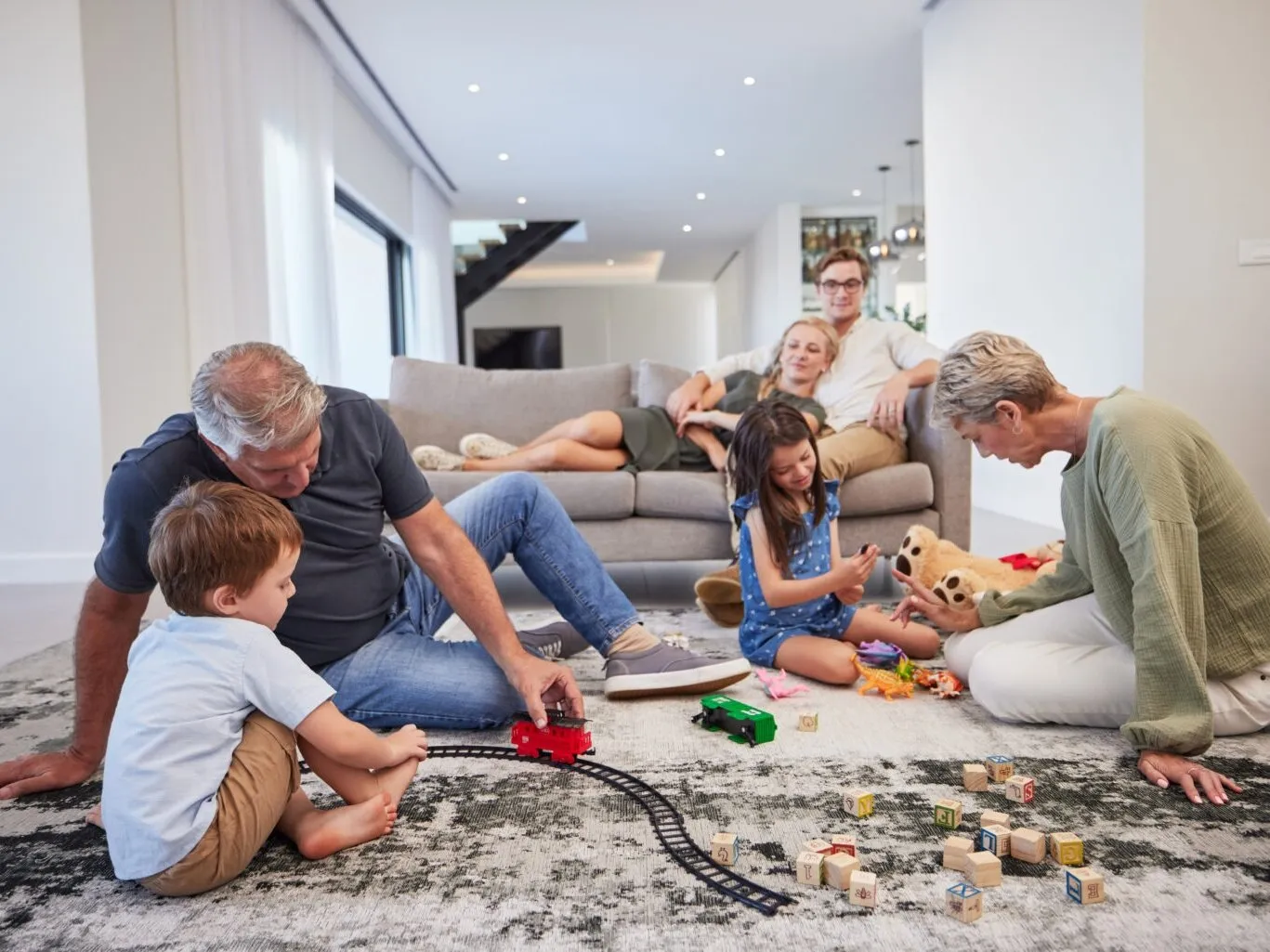
Living with multiple generations under one roof is increasingly common, but decorating a home that suits kids, adults, and older adults can feel tricky. How do you make a space that’s safe, accessible, and stylish without feeling like a compromise?
Here are fresh, creative ideas to design a multi-generational home that’s cohesive, welcoming, and tailored to everyone’s needs.
Create Flexible Communal Zones
Shared spaces like living rooms or dining areas are the heart of a multi-generational home. Design them to adapt to different needs throughout the day.
- Modular Furniture: Choose lightweight pieces like stackable stools or sectional sofas with movable ottomans. These let kids create play zones, adults host gatherings, and older people navigate easily.
- Multi-Height Surfaces: Use tables with adjustable heights or nesting side tables. A low table works for kids’ crafts, while a higher one suits adults for dining or easy access.
- Vibe Tip: Start with a neutral base palette (like soft greys or warm beige) and add pops of colour through cushions or rugs that can be swapped to reflect each generation’s personality.
Prioritise Accessibility Without Sacrificing Style
Accessibility is crucial for older people, but it doesn’t have to look clinical. Blend function with aesthetics for a seamless look.
- Disguised Grab Bars: Install sleek grab bars in bathrooms or hallways that double as towel rails or decorative rails. Pick finishes like matte black or brushed brass to elevate the design.
- Non-Slip Elegance: Use textured, non-slip rugs with bold patterns (like geometric mosaics) to add flair while ensuring safety. Pair with underfloor heating for comfort across ages.
- Lighting Layers: Combine ambient, task, and accent lighting (like wall sconces or dimmable LEDs) to cater to varying vision needs. Motion-sensor lights in hallways are a subtle, senior-friendly touch.
Personalise Private Spaces
Each generation needs a space to call their own, even in a shared home. Create nooks or rooms that reflect individual needs while keeping a unified aesthetic.
- Kids’ Corners: Design low, sturdy shelves for toys or books, painted in vibrant but tasteful hues that complement the home’s palette. Add washable wall decals for easy updates as kids grow.
- Adult Retreats: Carve out a quiet corner for adults with a cushy armchair and a foldable screen for privacy. Use textured wall panels (like woven jute) to add sophistication without clutter.
- Senior Sanctuaries: For older people, prioritize comfort with ergonomic chairs and elevated beds. Use tactile fabrics like soft chenille to create a cosy, inviting space.
Soundproofing for Harmony
Multi-generational homes can get noisy. Thoughtful decor can reduce sound clashes while looking chic.
- Acoustic Art: Hang canvas panels with sound-absorbing foam disguised as abstract art. These dampen noise from kids’ play or TV while adding visual interest.
- Textile Layers: Use heavy curtains or upholstered wall panels in shared spaces to muffle sound. Choose bold, cultural patterns (like Moroccan-inspired weaves) to tie into a global aesthetic.
- Rug Stacking: Layer rugs in high-traffic areas to reduce echo. Mix a plush base rug with a thinner, patterned top rug for style and function.
Celebrate Shared Stories
Bring the family together through decor that tells your collective story, fostering connection across generations.
- Heritage Displays: Create a gallery wall with framed family heirlooms, like vintage photos or handmade crafts, arranged in a modern grid layout. This honours elderly relative’s memories while engaging younger members.
- Interactive Elements: Set up a “memory board” with chalkboard or cork panels where everyone can pin notes, drawings, or mementos. Frame it with a sleek wood border to keep it polished.
- Cultural Accents: Incorporate textiles or artwork from the family’s cultural roots, like a handwoven throw or ceramic vase, to spark conversations and pride.
Smart Storage Solutions
Storage is essential in a multi-generational home, but it can also be a design statement.
- Multi-Use Furniture: Pick benches with hidden compartments or coffee tables with lift-up tops. These keep toys, blankets, or mobility aids out of sight but accessible.
- Vertical Space: Install floating shelves at varying heights to store kids’ books, adults’ decor, or older people’s essentials. Use decorative baskets to add texture and warmth.
- Colour-Coded Zones: Assign each generation a storage colour (like blue bins for kids, wooden crates for adults) to keep things organised while adding a playful design element.
Final Thoughts
Designing a multi-generational home is about balance: blending safety, accessibility, and style to create a space where everyone feels at home. By focusing on flexibility, personal touches, and smart solutions, you can craft a space that’s as functional as it is beautiful.
Try one or two of these ideas to start, and watch your home become a haven for every generation.