Common Houseplant Mistakes and How to Correct Them
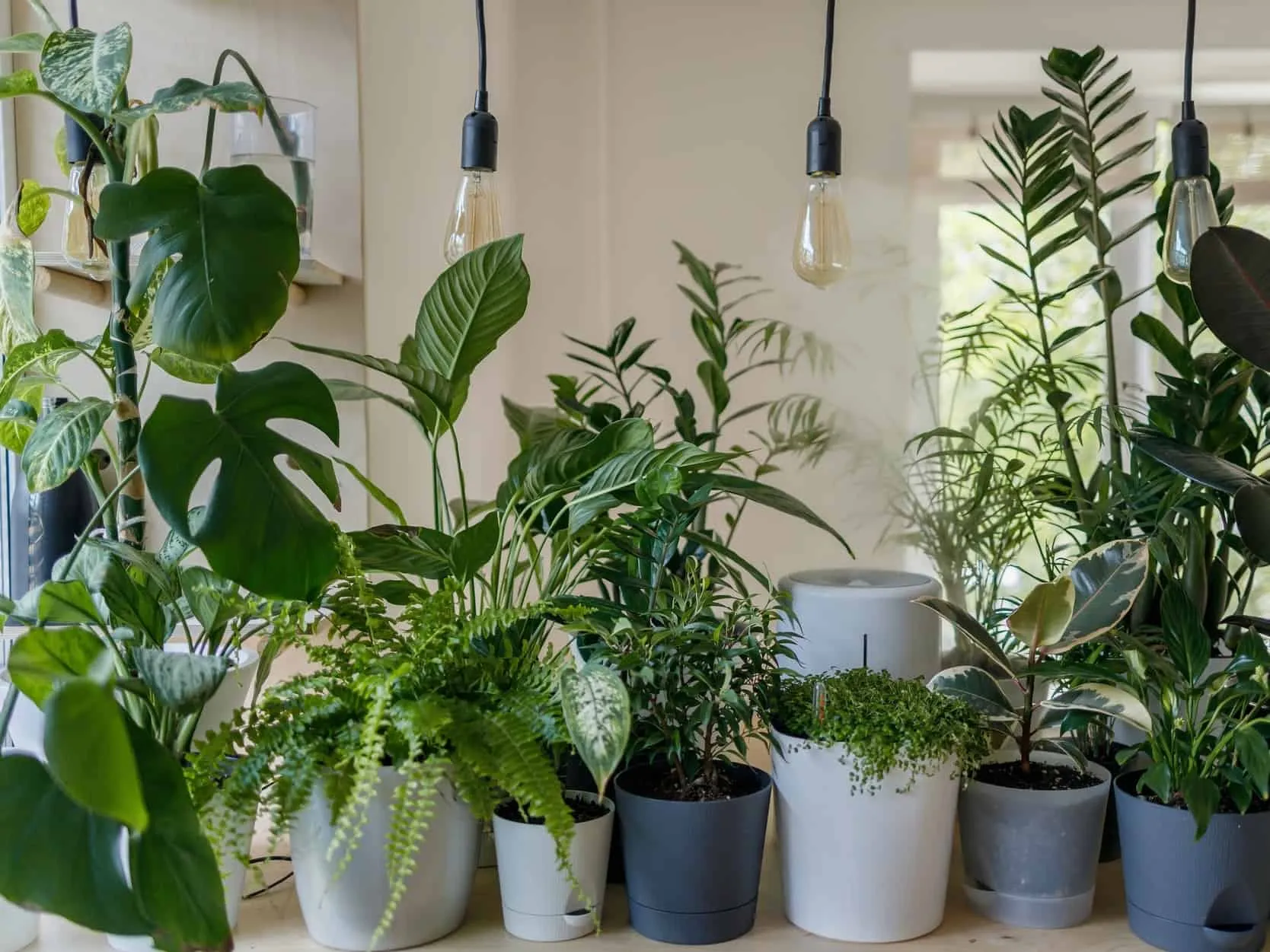
Houseplants bring life and vibrancy to our homes, offering a touch of nature that enhances air quality and boosts mood. However, even the most attentive plant owners can face challenges in keeping their greenery healthy.
From wilting leaves to pesky pests, houseplant dilemmas are common but often manageable with the right knowledge.
Overwatering: The Silent Plant Killer
One of the most widespread mistakes in houseplant care is overwatering. Many assume that frequent watering keeps plants healthy, but too much water can drown roots, leading to root rot. This condition manifests as yellowing or browning leaves, wilting despite wet soil, or a soggy, blackened root system.
To avoid this, always check the soil before watering. Stick your finger an inch into the pot; if it feels dry, it’s time to water. Ensure pots have drainage holes to prevent water from pooling.
For plants showing signs of root rot, remove the plant from its pot, trim away affected roots, and repot in fresh, well-draining soil. Adjusting your watering routine to match the plant’s specific needs can prevent this issue from recurring.
Underwatering: When Plants Go Thirsty
On the flip side, underwatering can also harm your houseplants. Signs include wilting, drooping leaves, or brown, crispy edges. Large plants, in particular, require more water than smaller ones, and neglecting them can lead to drought stress.
To check if your plant needs water, lift the pot; a light pot often indicates dry soil. If the soil is completely dry, soak it thoroughly to ensure all roots receive moisture. However, plants that have been severely underwatered may struggle to recover fully, so consistent care is key.
Setting a watering schedule tailored to each plant’s needs, such as weekly for most tropicals or biweekly for succulents, can help maintain proper hydration.
Improper Lighting: Finding the Sweet Spot
Light is critical for plant health, but getting it right can be tricky. Insufficient light often causes pale, yellowing leaves, leggy growth, or plants stretching toward a light source. Conversely, too much direct sunlight can scorch leaves, leaving brown, crispy patches, especially on shade-loving or variegated plants.
Each plant has unique light preferences; for example, snake plants tolerate low light, while succulents thrive in bright, indirect light. To address lighting issues, move plants to a spot that matches their needs, such as a south-facing window for sun-lovers or a north-facing one for low-light varieties.
Rotating plants ensures even light exposure, preventing lopsided growth. If natural light is limited, consider using grow lights to supplement. Regularly wiping dust off leaves also maximises light absorption.
Pests: Unwanted Guests in Your Indoor Jungle
Pests like spider mites, aphids, mealybugs, and fungus gnats are common houseplant problems. These tiny invaders can cause yellowing leaves, webbing, or sticky residue known as honeydew. Fungus gnats, for instance, thrive in damp soil and can damage roots if left unchecked.
To manage pests, inspect plants regularly for signs like discolouration or small insects. Early detection is crucial. A strong spray of water can dislodge many pests, while neem oil or insecticidal soap can treat infestations.
For fungus gnats, allow soil to dry out between waterings and use yellow sticky traps to capture adults. Isolating affected plants prevents pests from spreading. Maintaining good air circulation and avoiding overcrowding also reduces pest risks.
Fungal Diseases: Spotting and Stopping the Spread
Fungal diseases, such as powdery mildew or grey mould, can plague houseplants, especially in humid or poorly ventilated spaces. Powdery mildew appears as white, dusty patches on leaves, while grey mould shows as fuzzy, grey-brown growth.
These issues often arise from overwatering or high humidity. To combat fungal problems, remove affected foliage with clean snips and improve air circulation by spacing plants apart.
A homemade antifungal spray, made by mixing a tablespoon of baking soda and a half-teaspoon of non-detergent soap in a gallon of water, can treat powdery mildew.
Ensure plants dry out between waterings and avoid misting leaves, as water droplets can promote fungal growth.
Nutrient Deficiencies: Feeding Your Plants Right
Yellowing leaves, slow growth, or small, misshapen leaves often signal nutrient deficiencies, particularly in nitrogen, phosphorus, or potassium. While household items like coffee grounds or eggshells are popular fertiliser myths, they’re ineffective as they don’t provide readily available nutrients.
Instead, use a balanced liquid fertiliser with a 10-10-10 nitrogen-phosphorus-potassium ratio during the growing season (spring and summer). Apply every two to five weeks, starting with a small dose to avoid overfertilising, which can burn roots and cause brown leaf tips.
If soil is compacted or depleted, repotting with fresh potting mix can restore nutrient levels. Regularly check soil pH, as most houseplants prefer slightly acidic conditions.
Temperature and Humidity: Creating the Right Environment
Houseplants, especially tropical ones, prefer warm, humid conditions, but indoor environments can be challenging. Dry air from heaters or radiators can cause brown, shrivelled leaf tips, while cold drafts from windows can lead to leaf drop or blackened foliage.
To maintain humidity, place a tray of water and pebbles beneath pots or mist plants occasionally, though misting alone is a temporary fix and can encourage fungal issues if overdone. Keep plants away from direct heat sources or cold windows, especially in winter.
Checking a plant’s specific temperature requirements, often found on care labels, ensures it thrives in the right conditions.
Pot Size and Repotting: Giving Roots Room to Grow
A common myth is that larger pots always promote faster growth. In reality, oversized pots can retain too much moisture, leading to root rot, while pots that are too small can restrict root growth, causing stunted plants or circling roots.
Choose a pot one to two inches wider than the current one when repotting, typically every one to two years.
Check for roots circling the pot or emerging from drainage holes as signs it’s time to repot. Use well-draining soil and ensure the new pot has drainage holes to prevent waterlogging.
Debunking Common Myths
Many houseplant care myths can lead to problems. For instance, using ice cubes to water plants, often suggested for orchids, can shock roots with cold temperatures. Similarly, distilled water isn’t necessary; tap water left to sit overnight is usually fine, as it allows chlorine to dissipate.
Pruning is another misunderstood practice. Far from harming plants, removing dead or yellowing leaves encourages healthy growth and can even allow propagation to create new plants.
Understanding these realities helps avoid common pitfalls.
Building a Thriving Indoor Garden
Caring for houseplants involves trial and error, but most problems are fixable with careful observation and small adjustments. Regularly inspect your plants for changes in leaf colour, texture, or growth patterns. Tailor care to each plant’s needs, considering factors like light, water, and humidity.
By addressing issues like overwatering, pests, or poor lighting promptly, you can keep your indoor jungle healthy and vibrant. With patience and practice, you’ll turn your home into a lush, green haven.