Choosing Sustainable Furniture Woods: Mango, Oak, and Alternatives
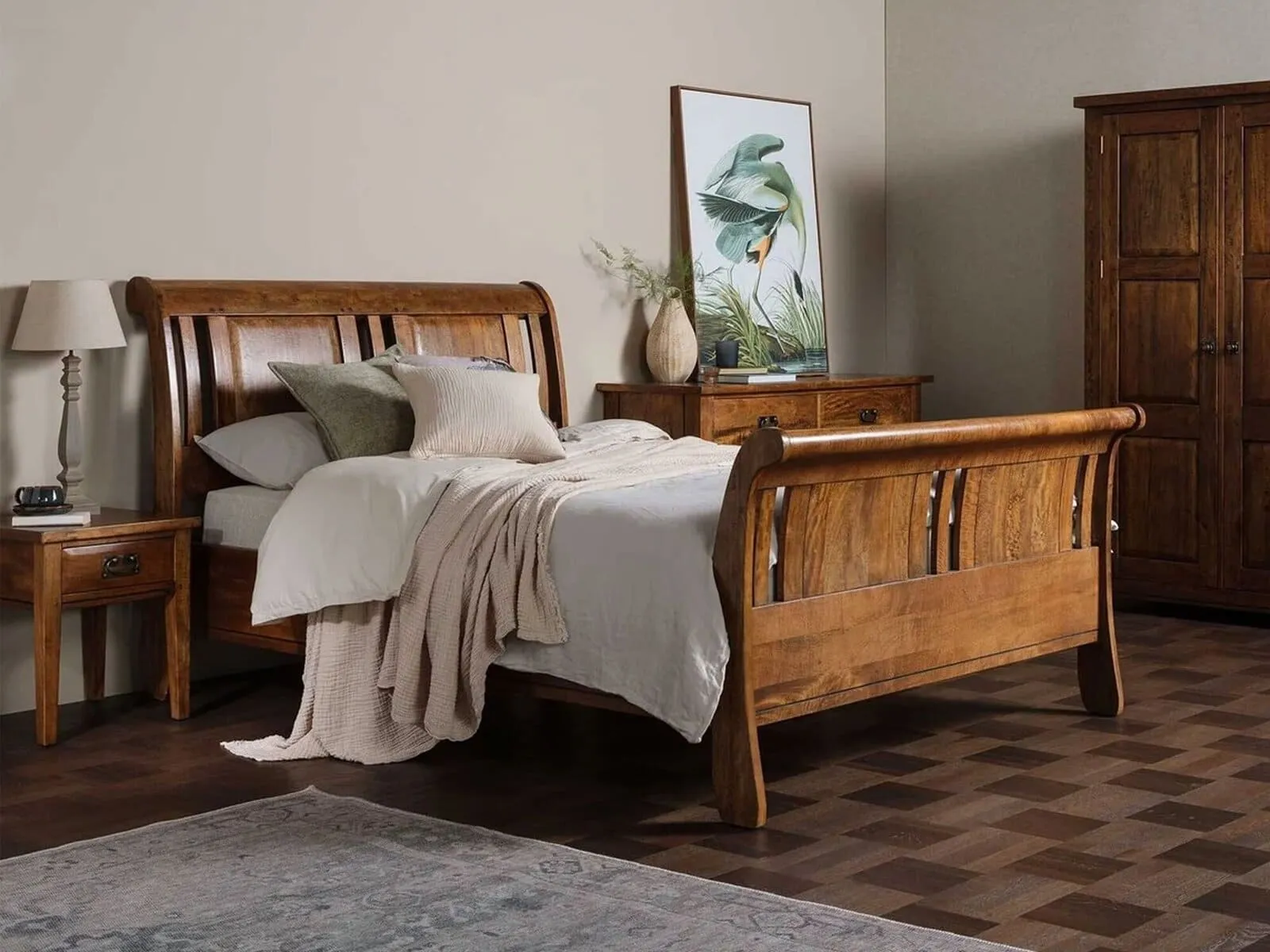
When picking furniture, the type of wood matters for aesthetics, durability, and sustainability. Two popular options, mango wood and oak, often come up in the conversation, but other alternatives like bamboo, acacia, rubberwood, and reclaimed wood can also shine.
Let’s break down how mango and oak stack up, why mango is often a cheaper solid wood option compared to oak veneer, their sustainability credentials, and whether other woods might be even better choices.
Mango Wood vs. Oak: The Basics
Mango wood and oak are both hardwoods with attractive grains, but they differ in cost, construction, and environmental impact.
Mango Wood
Mango wood comes from mango trees, primarily in tropical regions like India and Southeast Asia. It’s a byproduct of the fruit industry. Trees are harvested when they stop bearing fruit, making it a cost-effective choice.
Mango wood is dense enough for furniture like tables, chairs, and cabinets, with a warm, varied grain that takes stains well, often mimicking pricier woods. It’s softer than oak, so it’s more prone to dents, but it’s still durable for everyday use. Furniture made from mango wood is typically solid wood, giving it a sturdy, authentic feel.
Oak
Oak, especially white or red oak, is a premium hardwood prized for its strength and classic grain. Sourced mainly from North America and Europe, oak is slower-growing, which drives up its cost.
In budget to mid-range furniture, oak is often used as a veneer, a thin layer over a core like plywood or MDF, to keep prices down while maintaining the look. High-quality veneer can be durable, but it risks chipping or peeling over time.
Solid oak, while tougher and longer-lasting, is significantly more expensive and less common in affordable pieces.
Cost and Construction
Mango wood furniture is usually solid wood, offering a “real wood” experience at a lower price than solid oak. Oak veneer, on the other hand, allows manufacturers to achieve a high-end look without the hefty cost of solid oak.
If you’re after solid construction on a budget, mango wood often delivers more value. However, oak veneer can nail the aesthetic for formal or traditional settings, though it’s less resilient to wear than solid mango.
Sustainability Comparison
Sustainability is a key factor when choosing furniture woods. Here’s how mango and oak compare, plus why other options might edge them out.
Mango Wood’s Green Credentials
Mango wood is a sustainability star. Mango trees grow quickly, reaching maturity in 10-15 years, and are harvested as part of the fruit industry, not solely for timber. This reduces land use and deforestation risks.
The wood’s abundance in tropical regions keeps its environmental footprint low, and its use supports local economies. However, ensure your mango wood furniture comes from responsibly managed sources to avoid overharvesting concerns.
Oak’s Environmental Impact
Oak is less sustainable due to its slower growth, 20-30 years or more, and targeted logging. Harvested mainly for timber, oak forests face pressure if not managed properly. Certified sustainable oak, like FSC-certified, comes from replanted forests, but it’s not always the norm in cheaper furniture.
Oak’s higher demand and longer growth cycle mean it has a bigger ecological impact than mango unless sourced with strict sustainability standards.
The Verdict
Mango wood wins on sustainability thanks to its fast growth, byproduct status, and lower land impact. Oak can be sustainable with certifications, but it requires more effort to verify responsible sourcing. If eco-friendliness is your priority, mango is the safer bet, but both can work if you check for certifications like FSC.
Better Alternatives for Sustainability and Value
While mango and oak have their strengths, other woods and materials offer compelling benefits for sustainability, durability, and cost. Here are four alternatives worth considering:
Bamboo
Bamboo isn’t a wood but a fast-growing grass that matures in 3-5 years, making it one of the most renewable options. It’s strong enough for furniture like chairs, tables, or shelving, with a light, modern grain.
Bamboo’s sustainability is unmatched, but some processing methods use heavy chemicals, so look for FSC-certified or eco-friendly brands. It’s less moisture-resistant than hardwoods, so it’s best for indoor use.
Acacia
Acacia is a tropical hardwood that grows in 10-20 years, offering a balance of affordability and durability. Harder than mango and close to oak in strength, acacia’s rich grain makes it versatile for staining to mimic other woods.
Often used in solid furniture, it’s a budget-friendly alternative to oak with solid sustainability credentials, especially when sourced from agroforestry systems.
Rubberwood
Rubberwood comes from rubber trees in Southeast Asia, harvested after their latex-producing years (15-25 years). As a byproduct, it’s highly sustainable and affordable. Slightly harder than mango but lighter than oak, it’s great for bed frames or dining sets.
Its neutral grain takes stains well, but it needs proper treatment to avoid warping. Rubberwood is a smart pick for eco-conscious buyers on a budget.
Reclaimed Wood
Reclaimed wood - teak, pine, or even oak from old furniture, barns, or buildings - eliminates the need for new tree cutting. It’s as durable as new wood with a unique, weathered charm, perfect for rustic or eclectic styles.
Availability can be limited, and craftsmanship may raise costs, but its zero-deforestation impact makes it a top sustainable choice.
Which Wood Should You Choose?
Your ideal wood depends on your needs:
- Budget and solid construction: Mango wood offers solid furniture at a lower cost than solid oak, beating oak veneer for authenticity.
- Durability: Oak (solid or veneer) and acacia edge out mango and rubberwood for heavy-use pieces like dining tables.
- Sustainability: Bamboo and reclaimed wood are the greenest, followed by mango, rubberwood, and acacia. Oak lags unless certified.
- Aesthetics: Oak and acacia offer classic or versatile grains, while mango and rubberwood can mimic them with staining. Bamboo suits modern looks, and reclaimed wood brings rustic charm.
For a sustainable, affordable, and solid wood option, mango wood is hard to beat, especially for indoor furniture. If you need something tougher, acacia or oak veneer might fit. For the ultimate eco-choice, bamboo or reclaimed wood steals the show.
Always check for certifications like FSC to ensure your furniture aligns with your environmental values.
By weighing cost, durability, and sustainability, you can pick a wood that fits your style and conscience. Whether it’s mango’s tropical vibe, oak’s timeless appeal, or an alternative like bamboo’s modern edge, your furniture can look great while treading lightly on the planet.